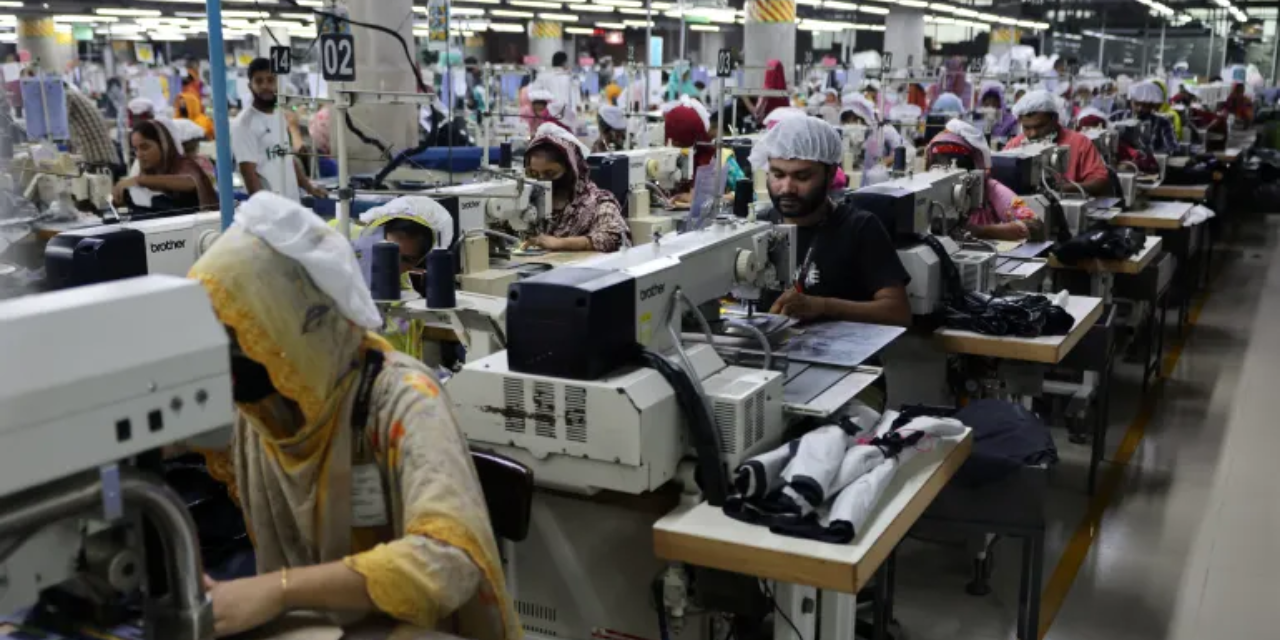
Garment workers in Bangladesh have intensified protests demanding higher wages as rising inflation and living costs make it increasingly difficult to meet basic household expenses. Workers are seeking an increase in the minimum monthly wage from 12,500 taka to 30,000 taka, more than double the current level.
The protests have disrupted operations at hundreds of garment factories, affecting nearly one million workers. In response, the Bangladesh government has formed a six-member wage board to review workers' demands and negotiate a revised minimum wage.
Bangladesh's garment industry, one of the world's largest apparel-exporting sectors, employs approximately four million workers and accounts for more than 80% of the country's export earnings. However, manufacturers face challenges balancing higher wage demands with rising production costs and international competition.
Industry representatives have also called on global fashion brands to support fair purchasing prices to help manufacturers provide better wages while maintaining business sustainability. The ongoing wage negotiations highlight the growing importance of fair wages, workers' welfare and responsible sourcing across the global apparel supply chain.


No comments yet. Be the first to share your thoughts!