Search for products with an image
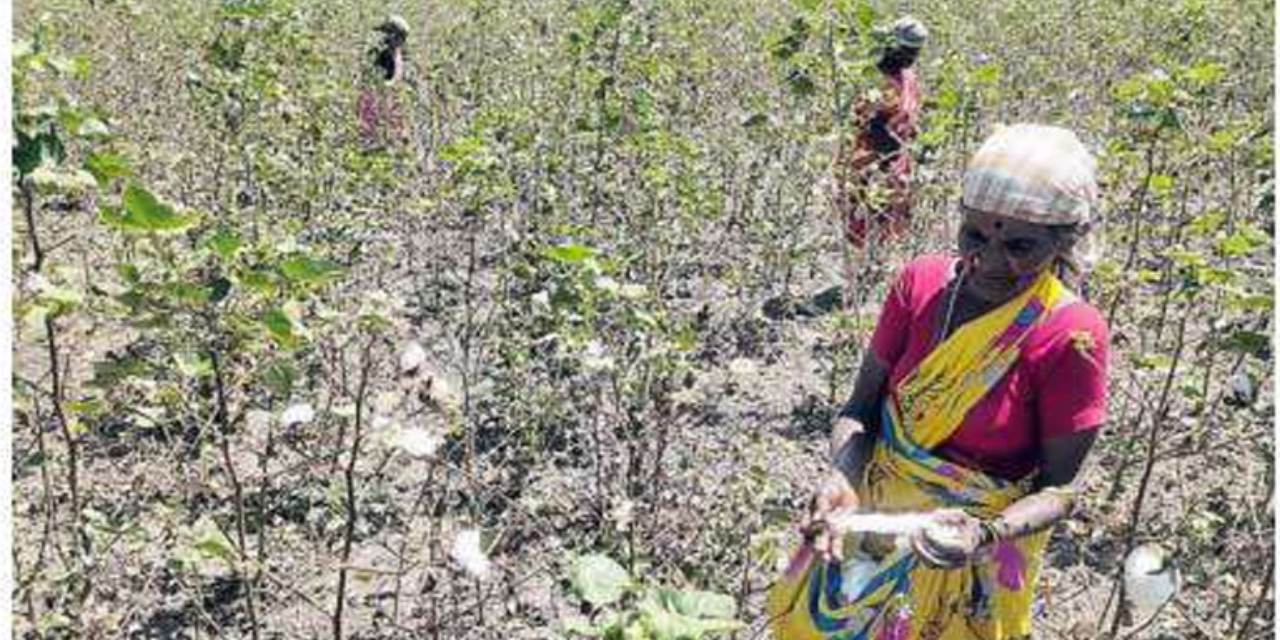
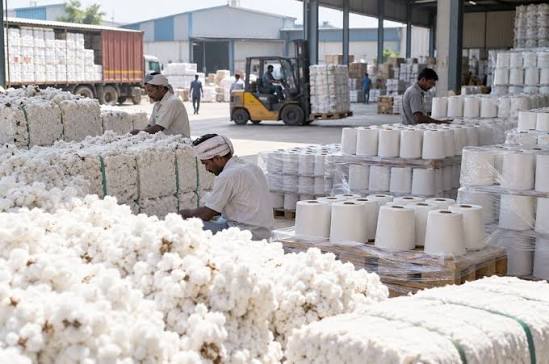
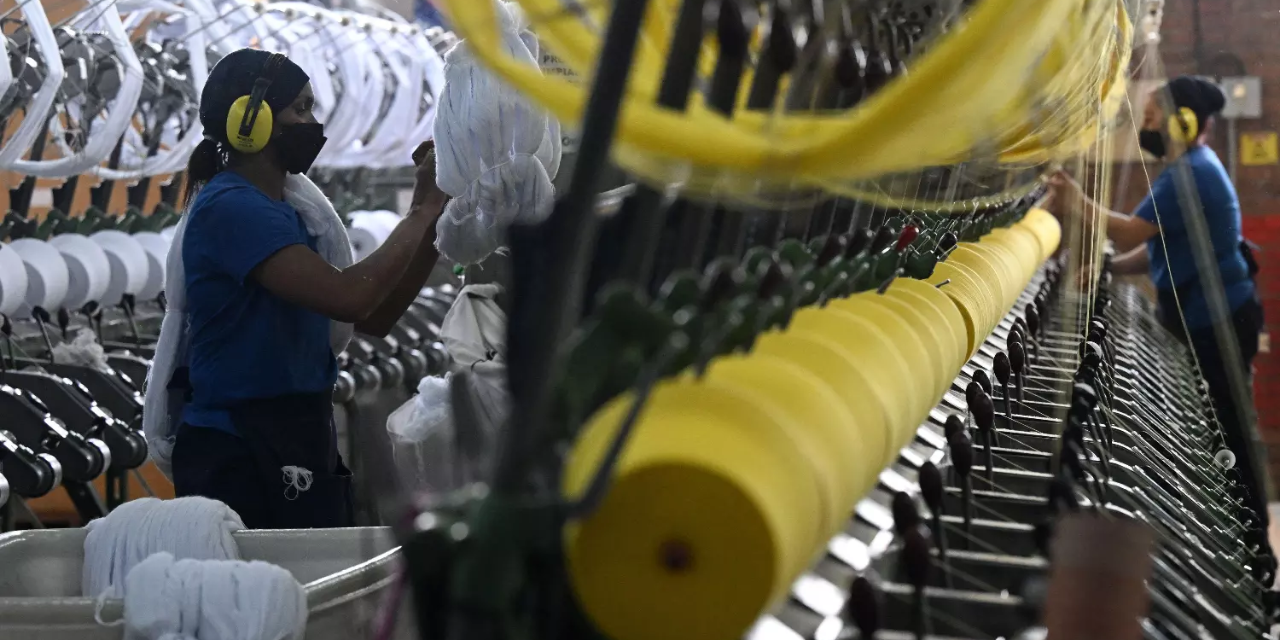
The textile industry is entering a new era of innovation, sustainability, and performance driven manufacturing. As global demand for high quality fabrics continues to rise, cotton yarn remains at the center of this transformation. From fashion and home textiles to technical applications, cotton yarn trends are influencing how fabrics are designed, produced, and consumed across the world.In 2026, the textile industry is witnessing major changes driven by evolving consumer preferences, advanced manufacturing technologies, and increased focus on sustainable practices. Buyers are no longer looking only for affordable yarn; they are searching for quality, consistency, durability, and environmentally responsible production. These changing expectations are reshaping the future of cotton yarn manufacturing.At Radheshyam Spinning Mill, continuous innovation and quality focused production remain key priorities. By understanding emerging market trends and adapting to modern textile demands, the company continues to deliver premium cotton yarn solutions suitable for domestic and international markets.Sustainable Cotton Yarn Is Becoming the Industry StandardSustainability is no longer just a marketing concept; it has become a critical requirement in the textile industry. One of the most important cotton yarn trends in 2026 is the growing demand for eco-friendly and responsibly manufactured yarn.Global consumers are becoming increasingly aware of the environmental impact of textile production. Fashion brands and textile buyers are actively choosing suppliers that follow sustainable manufacturing practices. This shift has encouraged spinning mills to adopt cleaner production methods and reduce their environmental footprint.The demand for organic cotton yarn, recycled cotton yarn, and low impact production processes is growing rapidly across export markets. Manufacturers are also investing in energy efficient machinery, water saving technologies, and waste reduction systems to improve sustainability standards.At Radheshyam Spinning Mill, quality production and operational efficiency support the growing need for responsible textile manufacturing. Sustainable practices not only benefit the environment but also improve long term production performance and customer trust.Demand for Premium Quality Yarn Is IncreasingAnother major trend in 2026 is the growing preference for premium cotton yarn with superior consistency and performance. Textile manufacturers understand that the quality of yarn directly affects fabric appearance, durability, dye absorption, and overall product value.International buyers are focusing more on:Uniform yarn structureBetter tensile strengthReduced contaminationSmooth texture and finishConsistent yarn countsImproved fabric performanceLow quality yarn often causes production issues such as yarn breakage, uneven fabrics, and dyeing defects. As a result, manufacturers are shifting toward trusted spinning mills capable of delivering stable and reliable yarn quality.Blended Yarns Are Expanding Textile PossibilitiesThe textile industry in 2026 is also seeing increased demand for innovative yarn blends. Manufacturers are combining cotton with other natural and synthetic fibers to create fabrics with enhanced performance characteristics.Popular blended yarn combinations include:Cotton polyester for durability and wrinkle resistanceCotton viscose for softness and fluidityCotton lycra for stretch and comfortCotton modal blends for premium texture and breathabilityBlended yarns are helping the textile industry meet modern consumer expectations for comfort, flexibility, durability, and easy maintenance. This trend is expected to continue growing as fashion and textile applications become more specialized.Advanced Spinning Technology Is Improving Yarn QualityTechnology continues to transform the spinning industry in 2026. Modern spinning mills are increasingly adopting automated systems, advanced monitoring tools, and precision machinery to improve production efficiency and yarn consistency.Automation helps manufacturers reduce errors, improve quality control, and increase production speed. Smart monitoring systems can detect imperfections during manufacturing, ensuring better yarn quality throughout the production process.Advanced spinning technology also helps optimize:Fiber utilizationYarn strengthProduction efficiencyWaste managementEnergy consumptionAt Radheshyam Spinning Mill, modern manufacturing practices play an important role in maintaining product consistency and meeting evolving customer requirements. Technology driven production enables the company to supply cotton yarn suitable for diverse textile applications and international standards.Digital Textile Printing Is Influencing Yarn DemandDigital textile printing continues to grow rapidly in 2026, influencing both fabric design and yarn selection. Modern digital printing technologies require high quality cotton yarn that can deliver smooth fabric surfaces and excellent color absorption.Fashion brands are increasingly using digital printing to create customized patterns, vibrant colors, and shorter production runs. As a result, textile manufacturers need cotton yarn that supports superior print clarity and consistent dye performance.This trend has increased the demand for premium cotton yarn with cleaner surfaces, reduced hairiness, and improved uniformity. Yarn quality now plays a direct role in achieving high definition printed textiles and premium visual appeal.Comfort and Performance Are Driving Consumer ChoicesToday’s consumers expect more from textile products than ever before. Comfort, breathability, softness, and durability have become essential factors influencing purchasing decisions.This shift is driving the demand for cotton yarn that offers:Better moisture absorptionLightweight fabric feelEnhanced softnessLong lasting durabilityImproved skin comfortCotton remains one of the most preferred fibers because of its natural comfort and versatility. However, consumers now expect cotton fabrics to combine comfort with performance features such as stretchability, wrinkle resistance, and easy maintenance.Export Markets Are Prioritizing Reliable Yarn SuppliersGlobal textile buyers are becoming more selective when choosing yarn suppliers. In 2026, consistency, transparency, and long term reliability are more important than ever before.Export focused manufacturers prefer spinning mills that can provide:Consistent bulk production qualityTimely deliveriesStrong technical supportCompetitive pricing with stable qualityCompliance with international standardsA reliable yarn supplier helps textile businesses reduce manufacturing risks and maintain product consistency across large production volumes.At Radheshyam Spinning Mill, customer satisfaction, quality control, and dependable manufacturing processes continue to support long term business relationships in the textile industry.ConclusionThe cotton yarn industry in 2026 is being shaped by innovation, sustainability, advanced technology, and evolving consumer expectations. From eco friendly production methods and premium yarn quality to smart manufacturing and blended yarn solutions, these trends are transforming the future of textiles worldwide.As global competition increases, textile manufacturers must stay updated with changing market demands and invest in high quality yarn solutions that deliver performance, reliability, and value. Businesses that adapt to these emerging cotton yarn trends will be better positioned for long term growth and success in both domestic and international markets.Radheshyam Spinning Mill continues to support the evolving textile industry with quality focused cotton yarn manufacturing designed to meet modern production requirements. By combining innovation with consistency, the company remains committed to delivering yarn solutions that help textile businesses stay ahead in a rapidly changing market.
Read More
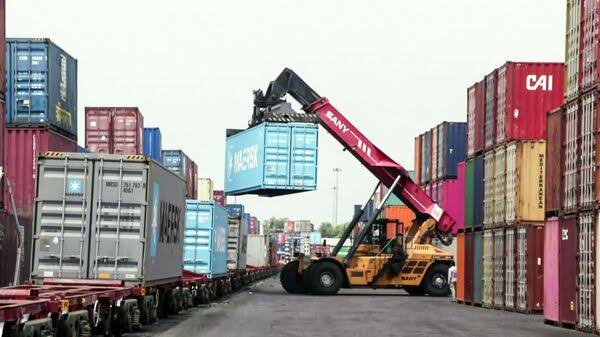
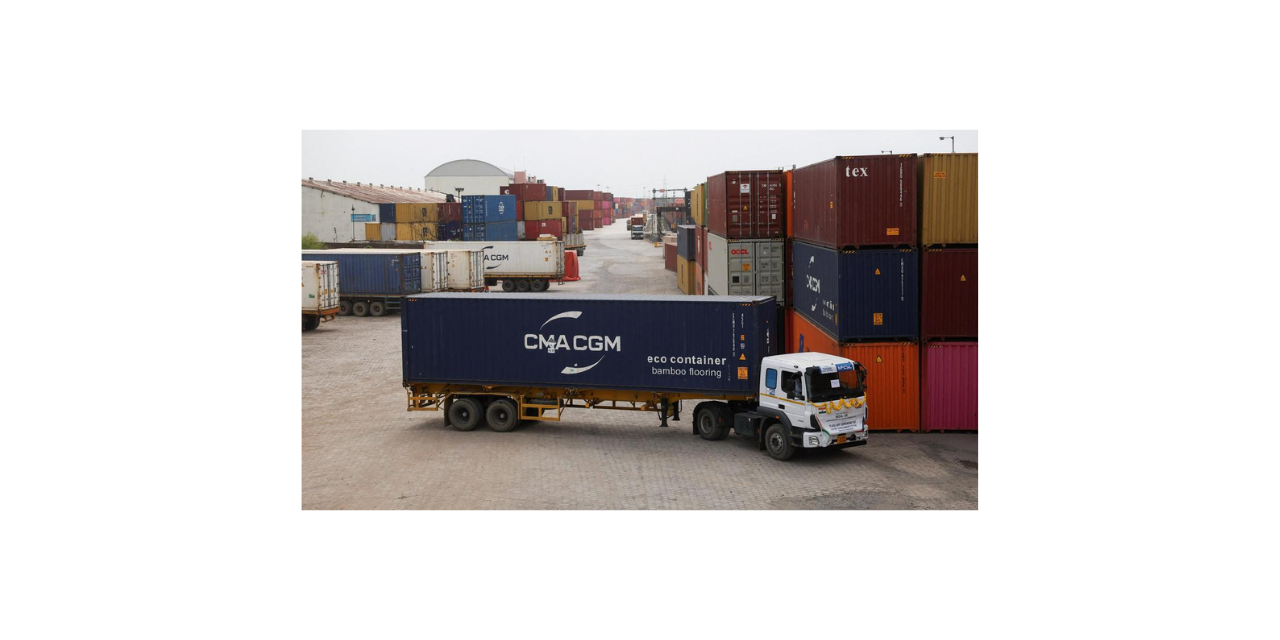
1.Unmatched Quality Combined with Technological AdvancementsThe key to Indian success in exporting cotton yarn has been its superior quality all along. India has a long and illustrious history of growing cotton, thanks to its advanced ginning and spinning infrastructure meeting international standards for quality. Contrary to commodity manufacturers, who produce standardized yarn, Indian spinning units are at the forefront in adopting latest innovations in areas such as open end, ring, and automated quality measurement systems in winding machines.These innovations provide a constant yarn count and tensile strengths with low variation rates. This will be highly appreciated by the global manufacturers of textiles. Nowadays, the buyer not only wants to purchase a yarn but a reliable textile with guaranteed performances from shirting to technical knit.Moreover, the flexibility of Indian mills in supplying a wide range of counts fine, medium, and compact cottons enables industries to produce various final products. This is one of the reasons why the export position of India’s textiles is improving.2. Sustainability as a Core Competitive Advantage“Sustainability has ceased to be a trend. It’s a prerequisite.” By the year 2026, the requirements of buyers in the European, North American, and Asian markets include their growing concerns about the environmental credentials, traceability, and ethical production of the products. Textile manufacturers of Indian cotton yarn have now strengthened their practices in the production process.There are more spinning mills being certified with recognized sustainability initiatives such as OEKO TEX, Better Cotton Initiative, or Global Organic Textile Standards. These initiatives assure the purchasing company that the said yarn bought does not contain any harmful elements or has been produced in socially responsible environments.In our Radheshyam Spinning Mill operation, environmentally responsible practices such as water conservation techniques, energy efficient motor use, and recycling techniques that minimize the environment’s effects. This has made environmentally responsible spending less expensive than expected and made environmentally responsible consumers our major attractants. They put the environment at the heart of the supply chain.3. Competitive Pricing Leveraging Economies of ScaleGlobal purchasers will necessarily have quality weighed against price, most likely in the highly price sensitive textiles industry. It is because the Indian cotton yarn has established competitiveness by utilizing economy of scales, optimized manufacturing efficiency, and stabilized price structures.In contrast to smaller suppliers who lack any real negotiation power when it comes to sourcing raw cotton, larger textile clusters in India ensure that their mills are able to quote fixed prices to foreign customers, despite the market being prone to raw cotton price volatility.Indian cotton yarn suppliers have made themselves desirable partners for the brands by offering value without compromising on the quality of the product.4. Strategic Geographic Advantage and Improved LogisticsSecondly, another reason for the increased interest of international consumers in the Indian market is the strategic geographical position as well as improved export infrastructural arrangements. It is conveniently situated to meet the demands of Africa, the Asia Pacific region, Asia, as well as the Americas.In recent years, there has been increased expenditure on port handling, transport, and export facilitation policies, hence increasing shipping efficiency. This is because ports like Nhava Sheva (Mumbai), Mundra, and Chennai can process a larger quantity of shipments faster.Further, bilateral trade deals, duty incentives, and simplified customs clearance systems have enhanced the competitiveness of Indian exports. The improvement in logistics makes it easy for buyers to reduce lead times, manage inventory effectively, and avoid costly delays that are an important factor in the currently fast moving market.5. Emphasis on Innovation & Product DifferentiationThe textile industry is moving at a rapid pace of innovation, and buyers are increasingly looking for specialty yarns, be it performance wear, technical textiles, and/or fashion segments. The Indian mills are taking up this challenge and providing value added products such as compact yarns, antibiotic yarns, and blends.Cotton breeders, engineers, and manufacturing specialists have worked in collaboration to provide yarns that exhibit strength, texture, moisture management, and durability. These factors are attractive to brands that are looking to differentiate themselves.Export statistics reveal a growing trend in both volume and value for specialty cotton yarn shipped from India, which highlights the point that innovation, along with quality, is being highly prized in the worldwide marketplace.6. Improving Buyer & SellerIn a world where supply chain resilience is a key priority, the value of lasting partnerships is higher than ever. Suppliers from the Indian textiles industry have ensured that trust is established through open communication, flexible delivery of orders, as well as after sales service.Customers value suppliers for understanding cycles within the market, offering customized supplies as per end use requirements, and ensuring delivery promises. Indian textile millers have relied on the strategy of maintaining such relationships by exceeding the limits of pure transactional dealings and acting as allies for growth.This service oriented mentality allows the Indian cotton yarn suppliers to be the suppliers of choice among companies that prefer to work with a business that looks to work together towards a common goal.ConclusionIndia’s Dominance in the Global Cotton Yarn Market In drawing out the trend of textiles exported in 2026, one thing remains evident, and that is Indian cotton yarn, which has ceased to be a commodity, as it has become a smart procurement option for foreign importers. Indian yarn, with its efficacy, cost effectiveness, innovative approach, and partnerships, has created a niche in the import sector.For Radheshyam Spinning Mill, this trend means, of course, not only an increase in exports but also an understanding of the role of India in the progress of the textile future. We are ready to help international buyers with their yarn requirements in light of the current and future demands. While collaborating with Indian suppliers of cotton yarn, global brands and companies are preferring reliability, robustness, and unparalleled value for money, and this trend will continue to shape the textile patterns even after the year 2026.
Read More
In the modern textile market, adaptability and customization are the most crucial factors for the supplier customer approach. No longer do the textile manufacturers and companies demand a general solution for their yarns; on the contrary, they insist on customized products that meet their specifications. At Radheshyam Spinning Mill, as textile market leaders, we realize the requirement of the customer differs with each one of them be it bulk delivery, divided consignment delivery, or the manufacture of customized yarn based on the intended usage. This article discusses the approach with custom delivery of the yarns.Every category has its set of challenges and requirements. To cater to them in the right manner, there should be a balance between the firm’s production power and flexibility. This defines the strategy of Radheshyam.1. Bulk Orders: Bulk orders are a critical part of theWhen it comes to international buyers dealing with massive production orders, consistency, reliability, and quality are not negotiables. At “Radheshyam Spinning Mill”, we have designed our infrastructural systems to efficiently manage bulk orders.Right from the reception of raw cotton to the final packing of yarn cones, our production process has standardized steps. Our spinning units are attuned to ensure standard yarn count, strength, and twist. This ensures that the yarn received in the first consignment is of equal quality in the subsequent consignments. Such precision is essential when it comes to industrial knitting and weaving. Even slight variations can create inefficiencies in the process.We differentiate ourselves in the aspect concerning large orders in terms of our capacity planning and management. Through forecasting the demand for our products and working in tight collaboration with suppliers in respect to raw materials, we create regular rhythms in our manufacturing to handle large orders.2. Split Orders: Flexibility for Modern Supply ChainsAn increasing number of consumers have embraced just in time production and the staggered inventory concept. A situation where a customer or supplier orders goods in bulk and these goods come in simultaneously is not preferred by these customers. They prefer the orders to be split into consignments, which come in stages depending upon their manufacturing process.Renewed efforts to provide, as well as increased demands for, such flexibility have encouraged companies like Radheshyam Spinning Mill to develop effective mechanisms for its smooth execution. In situations where clients change their preferences to split orders for delivery, we assist in drawing up schedules for their timely deliveries based on their manufacturing schedules.Communication is also very critical in this area. We give our buyers updates on production status, estimated dispatch dates, and tracking information. This way, our clients can plan effectively, cut down on warehousing costs, and have a continuity of operation.3. Specialized Orders: Purposeful Yarn ProductionThe most exciting and technically demanding segment of custom yarn orders is specialized yarns. These are products engineered for specific uses for example:Compact yarns for superior fabric uniformityCore spun yarns for enhanced strengthBi component or blended yarns for performance textilesCustom twist and ply structures for niche applicationsTo serve these needs, Radheshyam combines industry expertise with advanced manufacturing capabilities. Our quality team collaborates with clients from the order stage itself to understand their target specifications. Whether it’s a particular count, fiber blend, twist level, or tensile property, we evaluate the feasibility and align our processes accordingly.We also invest in research and development, testing small batches and refining parameters until the yarn meets the client’s expectations. This iterative yet disciplined method ensures that what reaches the production floor is not just compliant on paper, but reliable in real performance.The Radheshyam Advantage: Systems for the Delivery of Customization at ScaleTo handle custom yarn orders in a uniform manner, whether it is in bulk, split, or specialty, it requires more than processing capability, it requires planning. This is exactly what Radheshyam Spinning Mill does to maintain the optimal balance:ORDER CONSULTATION COLPrior to the production of any customized order, extensive consultations are conducted between us and the clients. This allows us to grasp not only the technical requirements, but the overall production needs of the customers as well.Quality Assurance at Every StepWe conduct rigorous quality checks at various points: the point of inspecting the raw cotton that comes to us and the point when the final product in the form of yarn is obtained. Our lab follows set procedures to verify that the yarn has the prescribed attributes related to its strength, evenness, and moisture content.Adaptive Production SchedulingWe are able to maintain flexible production schedules that can factor in custom orders with no impact to the operations in progress. This means that whether it is an unexpected large order or a specific yarn with customized spinning parameters, we can handle it with no effect on the timeline of the deliveries.Transparent Communication & ReportingThrough the customer portal or account managers, the progress being made for the client is communicated. This involves the milestones that have been achieved, the quality tests, as well as the shipping schedule.Reliable Logistics & Global ReachThrough our well connected network of logistical partners and export knowledge, we make sure that the consignment of custom yarns is delivered efficiently, no matter where the destination is: Asian garment centres, textile communities of Europe, or the emerging nations of Africa and the Americas.ConclusionAddressing Needs of Today’s Textile Industry with Solutions of Tomorrow. The textile industry is constantly developing according to fashion trends, technological advancements, and environmental demands. For the suppliers of textile raw materials to be successful in such an industry, they must be able to adjust and customize.As such, at our firm, Radheshyam Spinning Mill, our goal of accepting and processing custom yarn orders demonstrates our adherence to this principle. By applying our profound technological knowledge and manufacturing capability, we enable our customers to bring their ideas to life. Whether it is to fulfil a mass order, manage split deliveries, or to develop a specialty yarn for their niche requirements, we emerge as a dependable partner in every custom order to ensure performance, value, and satisfaction in every single custom order.
Read More
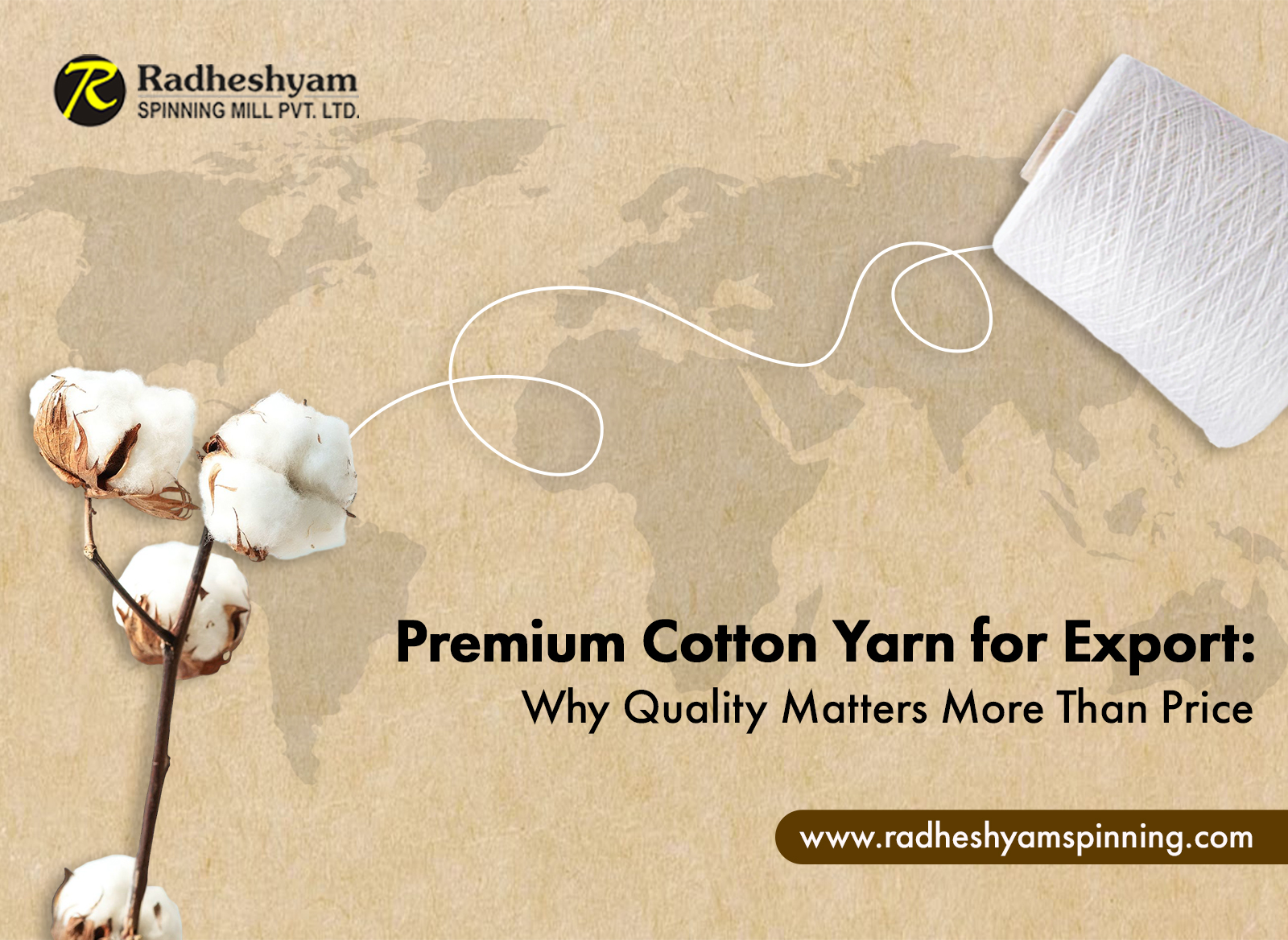
Premium cotton yarn is manufactured using carefully selected cotton fibers with higher strength, better uniformity, and cleaner texture. Unlike low grade yarn, premium yarn is engineered to deliver consistent performance throughout weaving, knitting, dyeing, and finishing processes.The quality of cotton yarn depends on several important factors, including:Fiber length and strengthYarn evenness and uniformityLow contamination levelsConsistent twist and count accuracySmooth finish and superior durabilityBetter moisture absorption and softnessAt Radheshyam Spinning Mill, every stage of production is monitored to ensure the yarn maintains international quality standards. The company uses modern machinery and efficient production techniques to manufacture cotton yarn suitable for domestic and export textile industries.Why Quality Cotton Yarn Is Essential for Export MarketsExport markets are highly demanding. International buyers expect yarn that performs consistently across large production volumes. Even minor quality inconsistencies can create major issues during fabric manufacturing.Premium cotton yarn provides stability during high speed weaving and knitting operations. It reduces yarn breakage, minimizes machine stoppages, and improves fabric appearance. For exporters, this translates into smoother production cycles and lower manufacturing losses.More importantly, premium yarn helps textile manufacturers maintain consistency in finished products. Whether the final product is denim, knitwear, home textiles, or industrial fabric, high quality yarn ensures better results in terms of strength, texture, color absorption, and finishing quality.Countries importing textiles often follow strict quality regulations. Buyers perform yarn testing before approving bulk orders, checking parameters such as:Count consistencyTensile strengthHairinessYarn imperfectionsContamination levelsColor performanceManufacturers using inferior yarn frequently face quality complaints, rejected consignments, and damaged reputations. This is why experienced textile exporters prefer trusted yarn manufacturers that prioritize quality over aggressive low pricing.The Hidden Cost of Cheap Cotton YarnAt first glance, low cost yarn may appear to reduce production expenses. However, the long term impact of poor quality yarn is far more expensive than the initial savings.Cheap cotton yarn often leads to:Frequent yarn breakage during processingHigher wastage levelsFabric defects and uneven textureIncreased machine downtimePoor dye absorptionReduced fabric strengthCustomer dissatisfaction and product returnsThese issues directly affect manufacturing efficiency and profitability. In export businesses, a single rejected shipment can cause financial losses, delivery delays, and loss of client trust.Premium cotton yarn, on the other hand, offers operational reliability. Textile manufacturers can maintain production speed, improve fabric quality, and reduce wastage significantly. Over time, the value delivered by quality yarn far outweighs the difference in price.How Premium Cotton Yarn Improves Final Fabric QualityThe final fabric quality is heavily influenced by the yarn used during production. High quality cotton yarn creates fabrics that feel softer, look cleaner, and last longer.For example:In knitted garments, premium yarn provides smoother fabric surfaces and better comfort.In denim manufacturing, strong yarn improves durability and fabric structure. In home textiles, superior yarn enhances softness and long term performance.In industrial applications, consistent yarn strength ensures reliability under stress.Premium yarn also improves dyeing results. Fabrics absorb color more evenly, resulting in richer shades and reduced patchiness. This is extremely important for export buyers who demand visual consistency across entire production batches.At Radheshyam Spinning Mill, attention to yarn quality helps customers manufacture fabrics that meet the expectations of international fashion brands, retailers, and textile importers.The Growing Global Demand for High Quality Cotton YarnThe global textile industry is evolving rapidly. Consumers today are more aware of quality, sustainability, and product durability than ever before. International brands are focusing on premium textiles that offer both performance and comfort.As a result, the demand for high quality cotton yarn is steadily increasing across markets such as:EuropeUnited StatesMiddle EastSoutheast AsiaAfricaBuyers are actively searching for reliable yarn suppliers capable of maintaining consistent standards over large export orders. Manufacturers that fail to meet quality expectations often struggle to sustain long term international partnerships.India has emerged as one of the leading producers and exporters of cotton yarn due to its strong textile infrastructure, skilled workforce, and access to quality cotton. Companies like Radheshyam Spinning Mill are contributing to this growth by delivering dependable cotton yarn solutions tailored for modern textile manufacturing needs.Why International Buyers Choose Reliable Yarn ManufacturersFor global buyers, choosing the right yarn supplier is about much more than pricing. They look for manufacturers who can offer:Consistent yarn qualityTimely delivery schedulesAdvanced manufacturing capabilitiesTransparent quality control systemsLarge scale production capacityLong term business reliabilityA trusted manufacturer becomes a strategic partner in the buyer’s supply chain. Reliable yarn quality helps international buyers maintain their own product standards and strengthen their reputation in competitive markets.At Radheshyam Spinning Mill, the focus remains on delivering value through quality manufacturing, customer commitment, and continuous improvement. By maintaining strict production standards and prioritizing customer satisfaction, the company has established itself as a dependable name in the cotton yarn industry.Sustainability and Quality Go Hand in HandModern textile buyers are also paying attention to sustainable manufacturing practices. Premium cotton yarn manufacturers often invest in cleaner production methods, efficient resource management, and waste reduction processes.High quality yarn contributes to sustainability by:Reducing production wastageIncreasing fabric lifespan Lowering defect related lossesImproving manufacturing efficiencyWhen textile manufacturers use durable, premium yarn, the resulting products last longer and perform better, supporting sustainable consumption practices in the fashion and textile industries.ConclusionIn the textile export business, quality is not an expense; it is an investment. While cheaper yarn may offer short term cost savings, it often creates long term production challenges, quality issues, and reputational risks. Premium cotton yarn delivers consistency, durability, superior fabric performance, and customer satisfaction, making it the smarter choice for manufacturers focused on sustainable growth and export success.As global buyers continue to raise their quality expectations, choosing the right yarn manufacturing partner becomes increasingly important. Radheshyam Spinning Mill remains committed to supplying premium cotton yarn that meets the evolving demands of international textile markets.
Read More
When it comes to creating high quality denim products, the type of yarn used is of utmost importance. Denim yarn is the foundation of any denim fabric, and its quality can make or break the final product. Radheshyam Spinning Mill, a renowned manufacturer of high quality denim yarn, we understand the significance of using only the best materials. At Radheshyam spinning mill, we take pride in producing exceptional denim yarn that meets the highest standards of quality and durability. In this comprehensive guide, we will walk you through the essential factors to consider when evaluating denim yarn quality, ensuring that you make an informed decision when purchasing denim yarn for your next project.The denim industry has experienced significant growth in recent years, with the demand for high quality denim products on the rise. As a result, manufacturers are under pressure to produce denim fabrics that not only meet but exceed customer expectations. One crucial aspect of achieving this is by using high quality denim yarn. Denim yarn is the backbone of any denim fabric, providing strength, durability, and texture to the final product. With so many options available in the market, it can be overwhelming to choose the right denim yarn for your specific needs. That’s why we’ve put together this denim yarn quality checklist, highlighting the key factors to look out for before making a purchase.From fashion apparel to home textiles, denim is a versatile fabric used in a wide range of applications. The quality of denim yarn can significantly impact the final product’s performance, comfort, and aesthetic appeal. Whether you’re a manufacturer, designer, or simply a denim enthusiast, understanding the importance of denim yarn quality is crucial. In the following sections, we’ll delve into the details of what makes high quality denim yarn, providing you with a comprehensive checklist to ensure you’re getting the best value for your money. So, let’s dive in and explore the world of denim yarn quality, with Radheshyam Spinning Mill as your trusted guide.Understanding Denim Yarn Types and CharacteristicsBefore evaluating denim yarn quality, it’s essential to understand the different types of denim yarn available. Denim yarn can be categorized into various types, including ring spun, open end, and textured yarns. Each type has its unique characteristics, advantages, and disadvantages. Ring spun yarns, for instance, are known for their softness, durability, and resistance to pilling. On the other hand, open end yarns offer a more affordable option with a slightly lower quality. Textured yarns, as the name suggests, provide a unique texture and visual interest to the fabric. When selecting a denim yarn, it’s crucial to consider the specific requirements of your project, including the intended use, desired texture, and budget.Key Factors to Evaluate Denim Yarn QualityWhen assessing denim yarn quality, there are several key factors to consider. These include:Strength and Durability: A high quality denim yarn should exhibit excellent strength and durability, withstanding the rigors of weaving, dyeing, and finishing processes.Evenness and Consistency: The yarn should have a consistent thickness and texture, ensure an even weave and prevent defects in the fabric.Color Fastness: The yarn’s color should remain vibrant and consistent, even after repeated washing and exposure to sunlight.Shrinkage Resistance: A good denim yarn should exhibit minimal shrinkage, ensuring that the fabric retains its shape and size.At Radheshyam Spinning Mill, we prioritize these factors, using state of the art technology and rigorous quality control measures to ensure that our denim yarn meets the highest standards of quality.The Importance of Certifications and ComplianceIn today’s global market, certifications and compliance play a vital role in ensuring that denim yarn meets international quality and safety standards. Look for certifications such as ISO 9001, ISO 14001, and Oeko Tex, which demonstrate a manufacturer’s commitment to quality, environmental sustainability, and social responsibility. Additionally, ensure that the denim yarn complies with relevant regulations, such as those related to chemical usage, labeling, and packaging. By choosing a certified and compliant denim yarn, you can guarantee that your final product meets the required standards, reducing the risk of costly reworks or product recalls.Sustainability and Environmental ConsiderationsAs consumers become increasingly environmentally conscious, the demand for sustainable denim products is on the rise. When evaluating denim yarn quality, consider the environmental impact of the manufacturing process, including energy consumption, water usage, and waste generation. Opt for manufacturers that prioritize sustainability, using eco friendly practices and materials wherever possible. At Radheshyam Spinning Mill, we’re committed to reducing our environmental footprint, incorporating sustainable practices into our production processes and promoting responsible denim manufacturing.ConclusionIn conclusion, selecting high quality denim yarn is a critical aspect of producing exceptional denim products. By considering the factors outlined in this comprehensive guide, you can ensure that your denim yarn meets the highest standards of quality, durability, and sustainability. Radheshyam Spinning Mill, we invite you to explore our range of high quality denim yarns, designed to meet the diverse needs of the denim industry. With our expertise and commitment to quality, you can trust that your denim products will exceed customer expectations, setting your brand apart in a competitive market. Contact us today to discuss your denim yarn requirements and experience the Radheshyam Spinning Mill difference.
Read More
What is the Yarn Technical Specification and Its Quality?Quality is the most critical factor to assess. Buyers should inquire about:Fiber Content: Is it made from 100% cotton, polyester, viscose or some sort of blend? At Radhe Shyam Spinning Mill, we produce yarns predominately made of cotton for denim, formal, leisure, and knitting applications and therefore, we ensure that we have the right cotton mix in order to serve your needs.Yarn Count and Thickness: Can be from NE 5s to NE 30s for various applications. Fine yarns are suitable for lightweight fabric, while coarser yarns can accommodate durability rather than lightweight fabric.Twists per inch (TPI): Twists Per Inch is of great importance for the strength and texture of the yarn, and is especially important for effective packing and weaving yarns.Strength and Durability: A key consideration for yarns being knitted or woven in high speed processes to produce fabric. At Radhe Shyam Spinning Mill, we inspect the yarns we produce to ensure they meet rigorous international durability standards.Does the Supplier Maintain Industry Approved Certifications?These certifications can be the OEKO-TEX® certifications or GOTS (Global Organic Textile Standard), and serve as certifications that the yarns meet global standards for environmental and safety measures. Radheshyam Spinning Mill. demonstrate that we are firmly committed to quality and sustainability.What are the manufacturing capabilities of the supplier?It is important to source supply from a supplier who has the right technology and manufacturing capability to fulfil large orders, but still deliver a quality product, on time, and without issues. Radhe Shyam Spinning Mill uses advanced spinning techniques that allow for accuracy, high costs to be reduced, scalability, fewer order errors, and timely delivery.Can the Supplier Ensure Consistent Supply and Delivery?Production capacity and reliable logistics are key. Buyers should ask about lead times, batch consistency, and contingency plans for supply disruptions. Radhe Shyam Spinning Mill’s production capacity and efficient supply chain management ensure orders are fulfilled promptly and uniformly to maintain your production schedules.What Type of Customer and Technical Support is Available from the Supplier?Strong buyer support is often neglected but is critical to both troubleshooting and long term relationships with suppliers. Radhe Shyam Spinning Mill is committed to individual customer support, working with buyers on product specifications, sample developments, and fast tracking your concerns.Advanced Considerations When Selecting a Yarn ProviderSustainable Methods and PracticesMany consumers today expect an awareness of sourcing transparency with respect to the environmental impact of their purchase. Radhe Shyam Spinning Mill has integrated eco focus processes and sustainable practices into their operational activities to minimize waste and energy consumption, while also providing competitive pricing.Customization and FlexibilityRadhe Shyam Spinning Mill is aware of the diverse needs of all industries. For example, if you want denim yarns with exceptional durability, or waxed knitting yarn that you will use for t shirts, and socks, both Radhe Shyam Spinning Mill and Radheshyam Spinning Mill offer you a selection of yarn counts and specifications (NE size: 6s-30s) to meet your stakeholders’ vision.Sample Testing Prior to CommittingMake sure to request sample orders before committing to large orders. A good yarn supplier will allow you to request on spec samples, which will provide you with an opportunity to evaluate yarn quality based on your technical parameters and design vision before agreeing to purchase. Radhe Shyam Spinning Mill will offer you samples so you can feel comfortable testing before moving to order more significant volumes of yarn.What Makes Radhe Shyam Spinning Mill Different?Quality Control: Every batch gets quality checked and thoroughly documented. Quality and standards are adhered to according to international standards from the process of sourcing the fiber to finished products.Worldwide Presence: Our customers are based all over the world. Radhe Shyam Spinning Mill is aligned to the global market and aware of the multiple norms and standards that play a role in trading internationally.Customer Focused: We strive for transparency and responsiveness in our communication, and we are designing and developing a relationship with customers instead of the mind set of a transaction.Innovation: We are continuously improving technology and designing products to help create innovative and new ways to keep our yarns and various product options fresh and different.How to Check Out and Assess Your Yarn SupplierRequest Documents and AccreditationsAsk for any required document to be demonstrated, such as an accreditation or third party lab testing report for compliance. Look specifically to see if the supplier has an ISO certification, OEKO-TEX®, GOTS certification, and a quality control report for each batch. Radheshyam Spinning Mill has all the certifications,Conduct Site Visits and AuditsWhen practical, either conduct due diligence on site or use a virtual tour to verify capabilities, equipment standards, and quality management.Request References and Case StudiesDiscuss the experience with the suppliers with other buyers. Identify their reliability and process, especially if they are acquiring the same types of yarn in the same approximate volumes.Conclusion: Partner Wisely for SuccessSelecting the right yarn supplier requires a thoughtful assessment beyond price alone. Buyers should consider yarn quality, certification, manufacturing capabilities, reliability of supply and responsive customer support. Radheshyam Spinning Mill can be considered a leading example of a supplier capable in all these areas; as they are focused on quality, transparency, creativity and sustainability.If buyers ask the appropriate questions and partner with a trusted supplier like Radhe Shyam, the buyer will not only receive exceptional quality and yarn but also set the stage for long term success in the textile industry.
Read More

Radheshyam Spinning Mills dominates cotton yarn since 2011. Rajkot, India-based company makes high-quality cotton yarn that meets global standards.1. Advanced Production:Radheshyam Spinning Mills uses modern equipment to make high-quality yarns. Its production skills allow it to fulfill large orders and achieve international quality standards. Modern technology reduces errors and produces high-quality yarns.2. Quality Promise:Radheshyam Spinning Mills values quality. The company ensures cotton quality from procurement to spinning. This commitment to quality earned the organization OEKO-TEX and GOTS certifications, which ensure global standards.3. Sustainable PracticesTo address demand for sustainable textiles, Radheshyam Spinning Mills has implemented many eco-friendly practises. Radheshyam Spinning Mills reduces environmental effect to follow worldwide sustainable and ethical production trends.4. Product Range Flexibility:In addition to denim, Radheshyam Spinning Mills sells knitted, hosiery, and terry towel cotton yarns. With its versatility, the organization can provide fashion and household textiles. The ability to make yarns in different counts and standards improves its global appeal.5. Strong Market Presence:Radheshyam Spinning Mills expanded domestically and internationally. Exporting high-quality cotton yarn to several countries has given the company a reliable reputation. A strong distribution network delivers products quickly internationally, supporting its market presence.Enhancing Radheshyam Spinning Mills’ Strategic Advantages1. Strategic Location and Supply Chain Efficiency:Radheshyam Spinning Mills benefits from Rajkot, Gujarat’s cotton production. Near raw material sources assures a consistent supply of high-quality cotton and lowers shipping costs and lead times. Integrated supply chain management promotes operational efficiency, allowing the organization to adapt swiftly to market demands and stay competitive.2. Innovate, researchRadheshyam Spinning Mills spends extensively in R&D since textiles depend on innovation. The company innovates to improve yarn quality and output. Radheshyam Spinning Mills can meet fashion and textile industry needs, especially specialty market yarns, by staying ahead of technology.3. Customer Focus:Customer-centricity has made Radheshyam Spinning Mills successful. The company values client needs and customized solutions. Radheshyam Spinning Mills goes above and above to please customers by developing special yarns or meeting tight delivery deadlines. This long-term relationship focus has earned the company global client trust.4. Global Market Access and Export Strategy:Radheshyam Spinning Mills expanded their market with rigorous export planning. Quality cotton yarn from the company is popular in Europe, Asia, and North America. By attending worldwide trade shows and establishing strong distribution networks, Radheshyam Spinning Mills has entered key markets and expanded globally. International expansion increases brand awareness and revenue diversity.5. Engagement of Workers and CommunitiesRadheshyam Spinning Mills knows excellent productivity requires skilled and motivated workers. The company trains its employees on new skills and information. Radheshyam Spinning Mills promotes CSR and community projects. Helping local communities and building a pleasant workplace supports sustainable growth.6. Growth and prospects:Quality, innovation, and sustainability will grow Radheshyam Spinning Mills. The company wants to expand production and enter new markets to meet worldwide demand for high-quality cotton yarn. Radheshyam Spinning Mills may provide mixed and specialized yarns for textiles.ConclusionFor durable, eco-friendly, and multipurpose textiles, high-quality cotton yarn is in demand globally. Radheshyam Spinning Mills leads in quality, sustainability, and innovation. With its advanced production, quality commitment, and global market presence, Radheshyam Spinning Mills can match textile industry expectations. The company will thrive and contribute to sustainable and premium textile production as demand for high-quality cotton yarn rises.
Read More
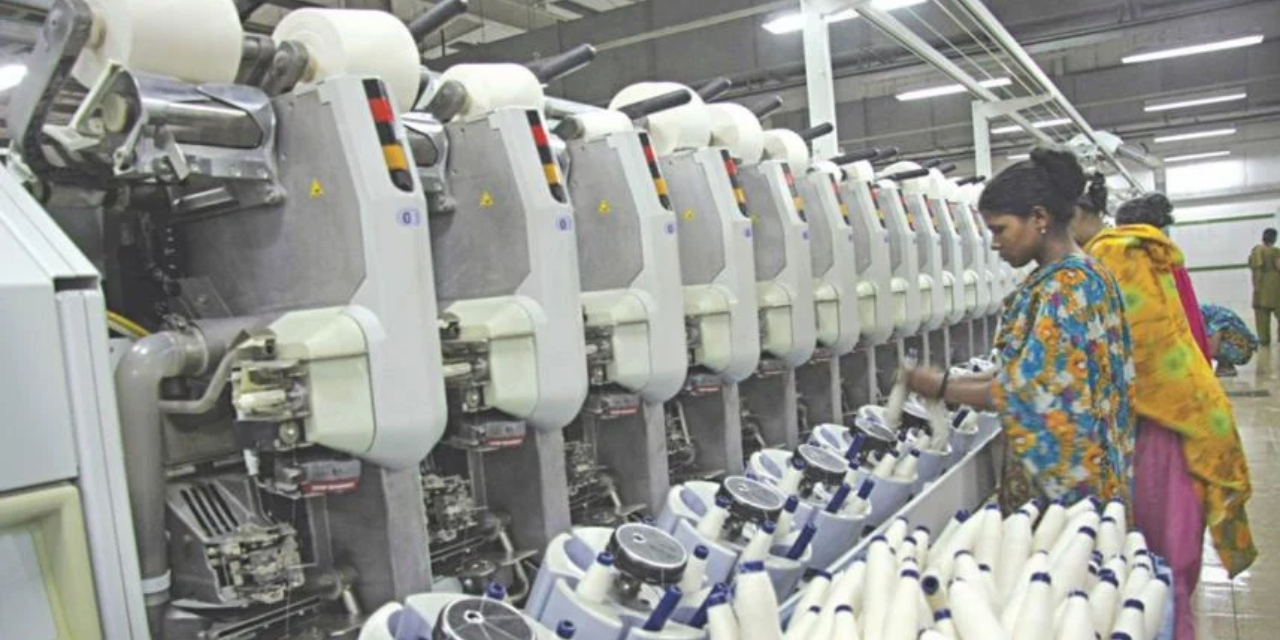
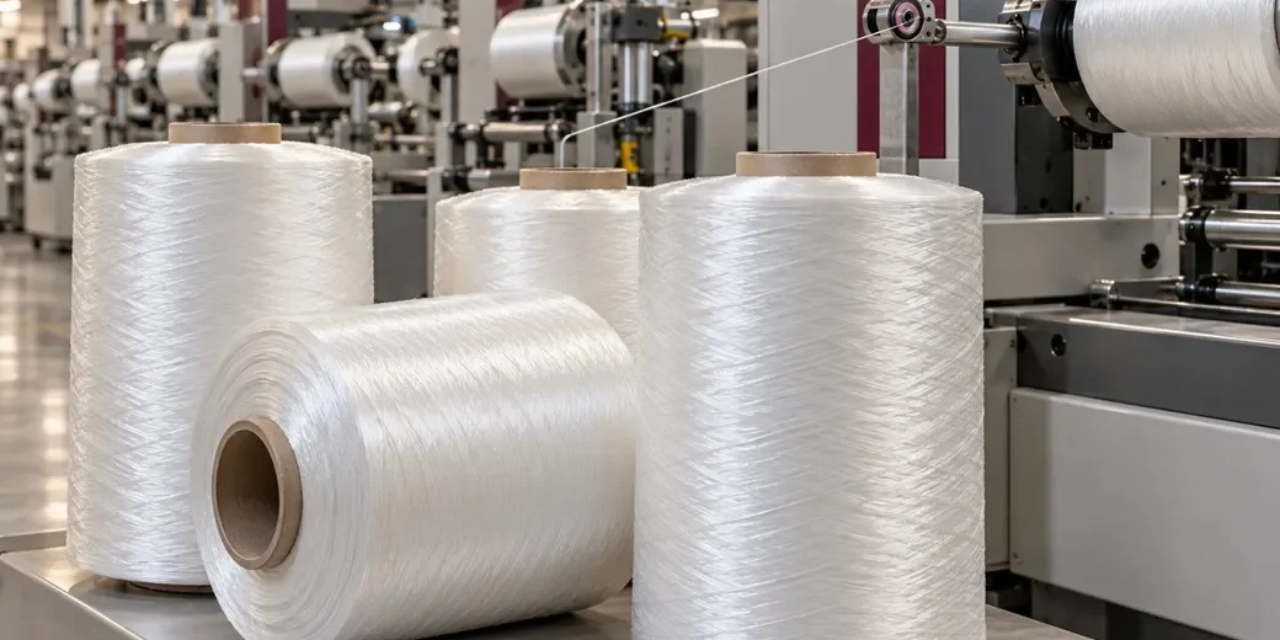
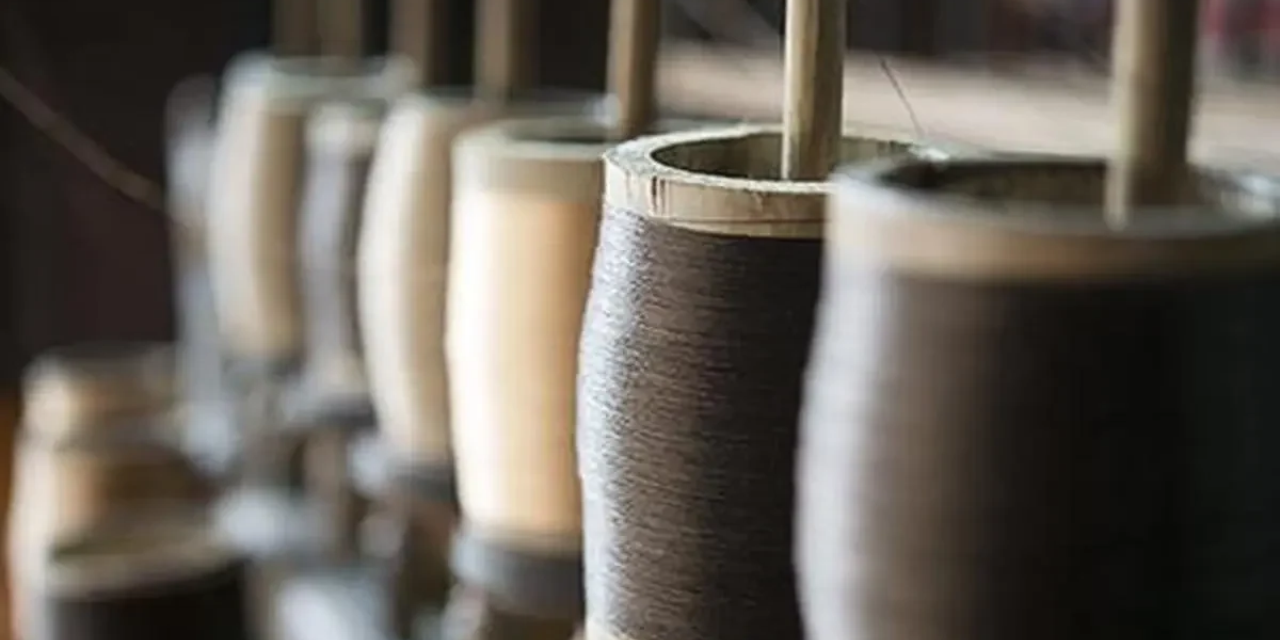
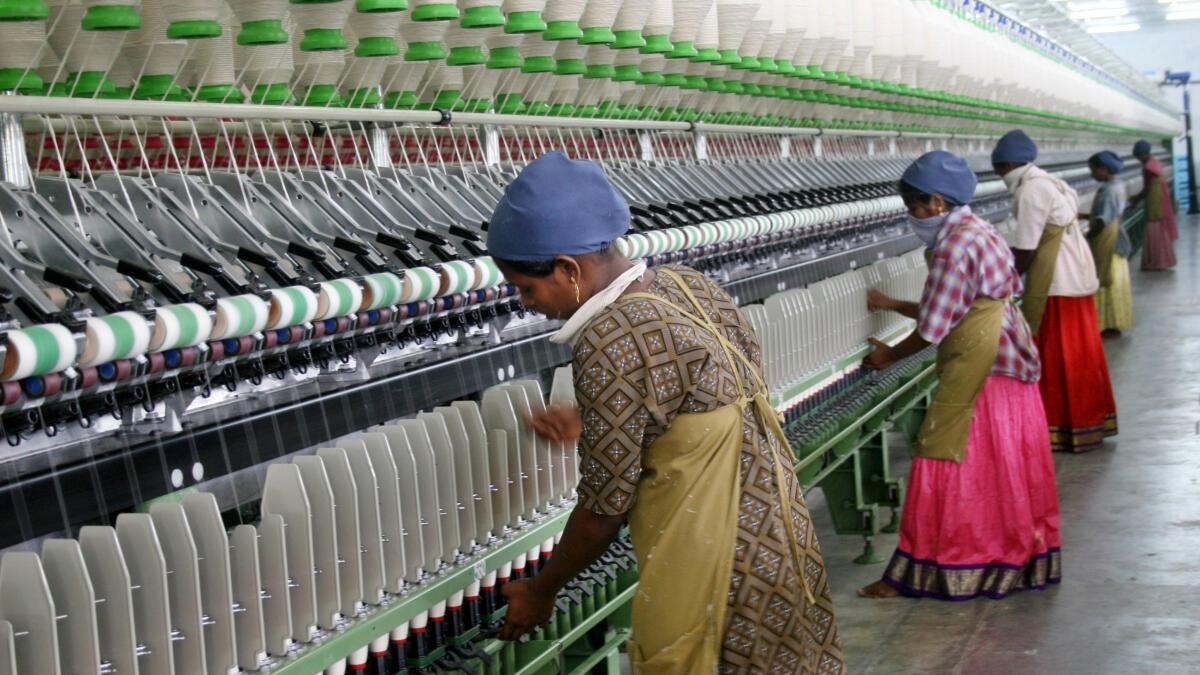
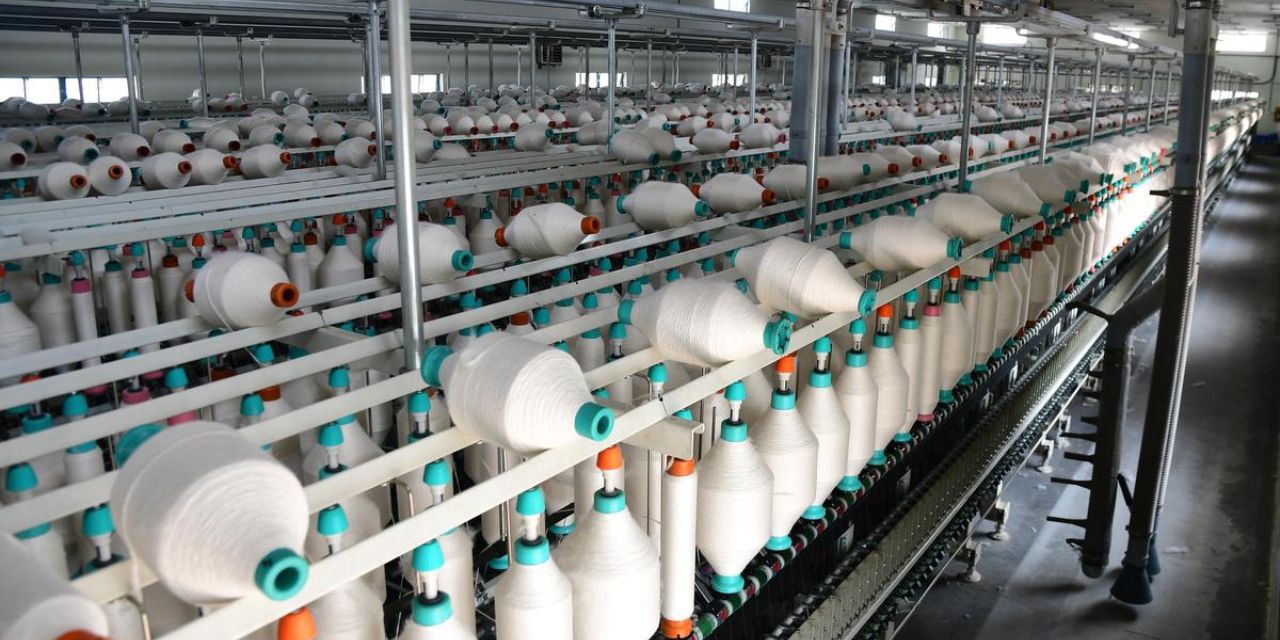
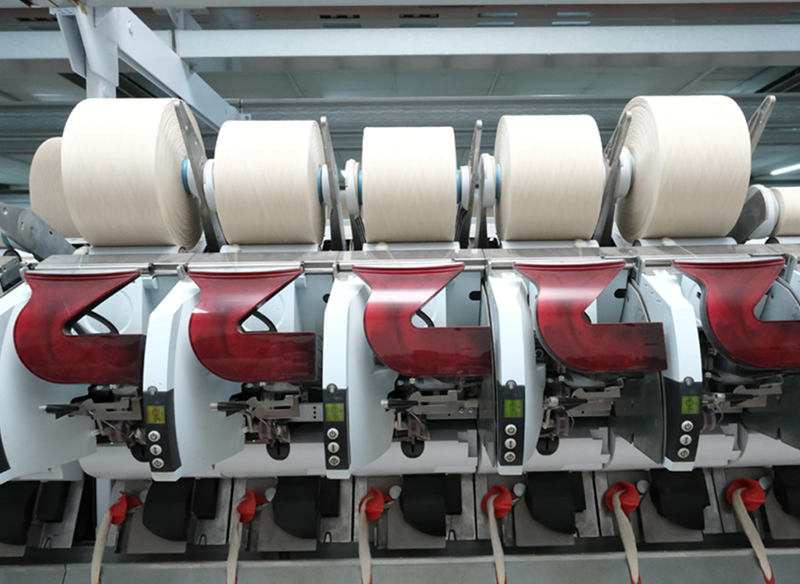
Raw cotton is packaged in bales, and each bale will always have some quantity of trash or impurities in it. Trash is another name for these contaminants. The components that make up garbage include shattered seeds, husks, shattered leaves, dirt, and short fibers, amongst other things. The quality of the fibers determines the percentage of waste, which can range anywhere from 1% to 15% of the total. In most cases, cotton fibers are brought into the country in the form of bales, which is a highly compact format.Blow roomIn a cotton yarn spinning factory, the first portion that is completed is called the blow room. In this section, the procedure calls for the employment of a succession of various kinds of opening, cleansing, and mixing equipment in the specified order.CardingCarding may be described as the process of reducing an entangled or matted mass of fibers to a filmy web by working them between two closely spaced, relatively moving surfaces covered with sharp points. This is accomplished by moving the fibers between the carding surfaces. Carding motion is produced when the teeth on both sides are made to function in conjunction with one another from point to point. The process is known as stripping action and occurs when the gears are turned such that the point of rotation is at the back of the machine.Drawing FrameThe motion of the rollers is responsible for almost all of the draught that is produced during drawing. In the creel of the drawing, frames are affixed to several containers containing the sliver that was produced by the carding procedure. When a sliver is fed into a system consisting of paired rollers running at different speeds, the process known as “drafting” takes place. By drafting the fibers in the sliver to make more of them parallel to the axis of the sliver, drawing is able to straighten the fibers in the sliver. When the fibers are later twisted into yarn, parallelization is required in order to acquire the qualities that are needed.Drawing results in a sliver that is more consistent in weight per unit of length, which contributes to higher blending possibilities, and the process also generates a sliver. The finisher drawing technique results in virtually straight fibers that are parallel to the axis of the sliver. This is because the finisher drawing procedure is the last drawing step. It is not possible to draught a finisher-drawing sliver into yarn using typical ring-spinning devices because the weight per unit length of the sliver is excessive.Speed/Roving FrameThe sliver delivered from the drawing frame and placed in the sliver container is fed into the speed frame. Another name for the speed frame is the roving frame.Roving is the name given to the product that is distributed by roving machines. Roving is a kind of fiber strand that has a count that is lower than that of a sliver. In addition to that, it has a slight twist in order to maintain the integrity of the Fibers. It is coiled onto a package that is appropriate for feeding spinning machines.During the roving process, the weight of the sliver is reduced to a size that is more appropriate for spinning into yarn and included twist, both of which help to preserve the integrity of the draught strands. Cans of slivers left over from finisher drawing or combing are placed in the creel, and individual slivers are then fed through two sets of rollers, one of which rotates at a slower speed than the other. This causes the diameter of the sliver to decrease from approximately 2.5 centimeters to that of a standard pencil. The process of passing a bundle of fibers through a device called a “flyer” for roving results in the fibers acquiring a twist. The product is now known as “roving,” and it is packed on a bobbin that is approximately 37.5 centimeters long and approximately 14 centimeters in diameter.Ring SpinningRing spinning is a global spinning system. Creeling, twisting, drafting, winding, building up, and doffing are the stages that are involved in the process of ring spinning. The standard number of spindles found in ring frames is between 400 and 500, although a delivery option of 1000 spindles, or spindles per ring frame, is also available. The rovings, which are supplied to the ring frame in the shape of bobbins, are then fed into the creels of the machine. A pulling motion unwinds the rovings, and then they are moved through the drafting zone. The drafted fibers undergo twisting and formation of yarn at the front side of the drafting rollers that are front rollers.YarnThe delivery cargo, which is a yarn bobbin, is located on the spindle in this picture. The yarn that has been provided is wound onto the yarn bobbin.
Read More

Spinning, also known as open-end spinning, is the procedure that is used to create open-end yarns. In certain circles, this technique is also referred to as the carded, break, or rotor spinning method. After the drafting phase, the silver is then directly put into the rotary beater as part of this process of spinning; this means that the roving process does not take place.During this stage of the process, the silver is combed by the machine after being directly fed into it. After this step, fibers are deposited onto the rotor, where they are further deposited along the groove with the assistance of air current and centrifugal force. After this step, the yarns are taken from the center of the rotor, and the fibers are subsequently twisted from the yarns.When using this particular method of spinning, the package does not need to be rotated in order to create a twist in the yarns. This not only provides a greater speed for twisting but also reduces the amount of power that is necessary for the process. Since this is the case, the production rate of open-end spinning is approximately six to eight times greater than that of the ring frame spinning method.Yarns that are produced using the technique of open-end spinning have a structure that is consistent; while having a lesser strength than other yarns, they have excellent resistance to abrasion. They are more extensible, thicker, and absorbent in their natural state.Open end yarn properties:The open-end yarn is characterized by the following qualities:Tensile strength:The open-end yarn has a disorganized arrangement of the fibers inside it. A lower degree of parallelization of the fibers can be observed. Along the length of the skein, there are several fibers that are not aligned parallel to one another. The open-end yarn has a weak tensile strength as a result of these unique fibers.The evenness of the yarn:Because the short-term mass leveling occurs within the rotor while the operation is taking place, the open-end yarn is more uniform than the ring-spun yarn.The bulkiness of yarn:When compared to the ring spun yarn, the open-end yarn contains fewer parallel strands. When compared to ring spun yarn, open-end yarn is characterized by a greater propensity toward bulkiness. This is because open-end yarn exhibits a lower degree of fiber parallelization.The rigidity of the yarn:The combination of the relatively straight core fibers and the sheath-core structure results in a yarn that is stiffer in terms of both its tensile and bending qualities.Elongation:The open-end yarn has excellent elongation characteristics.Abrasion resistance:The abrasion resistance of the open-end yarn is high.
Read More
India’s textile industry continues to expand its global footprint, driven by manufacturers that prioritize quality, innovation, and customer satisfaction. Among these leading companies is Radheshyam Spinning Mill Pvt. Ltd., a Gujarat-based cotton yarn manufacturer that has established itself as a trusted supplier in both domestic and international markets. With over a decade of industry experience, the company has earned recognition for producing premium-quality cotton open-end yarn while maintaining high manufacturing standards and a customer-centric approach. (Radheshyam Spinning Mill PVT. LTD)Established in 2011, Radheshyam Spinning Mill operates from Semla, Gondal, Rajkot, Gujarat, strategically located in one of India’s major cotton-growing regions. Since its inception, the company has focused on manufacturing high-quality cotton yarn that meets the evolving needs of weaving, knitting, denim, and textile manufacturers worldwide. Backed by promoters with more than 30 years of experience in the cotton industry, the company combines traditional industry expertise with modern manufacturing practices to deliver reliable products to customers across the globe. (Radheshyam Spinning Mill PVT. LTD)The company’s strength lies in its advanced manufacturing infrastructure and commitment to consistent quality. Equipped with modern spinning technology and efficient production systems, Radheshyam has developed the capacity to fulfill both bulk and customized orders while maintaining stringent quality standards. Every stage of production is closely monitored to ensure that customers receive yarn with excellent strength, uniformity, and performance suitable for a wide range of textile applications. (Radheshyam Spinning Mill PVT. LTD)Radheshyam Spinning Mill specializes in the production of cotton open-end yarn, offering counts ranging from Ne 6s to Ne 30s. Its product portfolio includes denim yarn, non-denim yarn, and knitted yarn, catering to applications such as denim fabrics, T-shirts, socks, innerwear, workwear, and casual apparel. By utilizing premium-quality cotton and modern manufacturing processes, the company delivers yarn that meets the expectations of textile manufacturers seeking durability, comfort, and consistent quality. (Radheshyam Spinning Mill PVT. LTD)Quality assurance remains a core focus for the company. Radheshyam follows rigorous quality control procedures throughout the manufacturing process to ensure every batch complies with industry standards. This commitment is further reinforced by internationally recognized certifications, including GOTS (Global Organic Textile Standard), OEKO-TEX® Standard 100, Better Cotton Initiative (BCI), and TEXPROCIL membership. These certifications demonstrate the company’s dedication to sustainable sourcing, product safety, and responsible textile manufacturing while enhancing customer confidence in its products. (Radheshyam Spinning Mill PVT. LTD)Over the years, Radheshyam Spinning Mill has successfully expanded its presence in international markets. In addition to serving customers across India, the company exports its products to countries including the United States, Bangladesh, China, Malaysia, Indonesia, Portugal, Italy, Dubai, and North Macedonia. Its growing global customer base reflects the company’s ability to consistently deliver high-quality yarn, competitive pricing, and dependable service. By maintaining transparency and timely deliveries, Radheshyam has built long-term relationships with textile manufacturers worldwide. (Radheshyam Spinning Mill PVT. LTD)Beyond manufacturing excellence, the company is driven by a clear vision of becoming a globally recognized producer of premium cotton open-end yarn. Its mission focuses on building customer trust through operational efficiency, product consistency, competitive pricing, and continuous improvement. As market demands evolve, Radheshyam continues to invest in technology and manufacturing capabilities to remain competitive in the fast-changing textile industry. (Radheshyam Spinning Mill PVT. LTD)With a strong foundation built on experience, quality, and innovation, Radheshyam Spinning Mill Pvt. Ltd. continues to contribute to India’s growing textile manufacturing ecosystem. Its emphasis on advanced production practices, internationally certified quality standards, and expanding global reach has positioned the company as a reliable partner for textile businesses seeking premium cotton yarn solutions.As the global textile sector increasingly values sustainable sourcing and dependable manufacturing partners, Radheshyam Spinning Mill is well-positioned to meet future industry demands. By combining decades of expertise with modern production technology and a commitment to customer satisfaction, the company continues to strengthen its reputation as a trusted name in the global cotton yarn industry. (Radheshyam Spinning Mill PVT. LTD)
Read More

India’s textile industry continues to strengthen its position in the global market, supported by manufacturers that combine advanced technology with sustainable practices. Among these companies is Fiotex Cotspin Pvt. Ltd. (FCPL), a modern cotton yarn manufacturer known for producing high-quality yarns for both domestic and international customers.Established in 2015, Fiotex Cotspin set up its state-of-the-art manufacturing facility at Sanosara, Dhrol, Jamnagar, Gujarat—one of India’s major cotton-producing regions. The company achieved an impressive milestone by completing its spinning mill within 330 days and commencing commercial production in October 2016. Since then, it has steadily built a reputation for delivering premium cotton yarn backed by innovation, quality, and operational excellence.At the heart of Fiotex’s success is its advanced manufacturing infrastructure. The company operates a modern spinning unit with 51,072 ring spindles, including 40,128 compact spindles, enabling it to produce high-performance compact yarn with superior strength, lower hairiness, and excellent uniformity. To ensure consistent quality and efficiency, the mill is equipped with world-class machinery from globally recognized manufacturers such as Trützschler, LMW, Rieter, Electrojet, and Saurer Schlafhorst. This advanced setup allows the company to maintain high productivity while meeting the demanding quality standards of the textile industry.Fiotex offers a diverse range of cotton yarns tailored to various textile applications. Its portfolio includes carded cotton yarn, combed cotton yarn, combed compact cotton yarn, hosiery yarn, and warp yarn, with yarn counts ranging from Ne 8s to Ne 40s. These products cater to weaving, knitting, apparel manufacturing, home textiles, and other textile sectors, making the company a reliable sourcing partner for customers across different markets.Quality remains a key pillar of Fiotex’s operations. Every stage of production is monitored through advanced testing and quality control systems to ensure consistency and performance. The company utilizes modern USTER testing equipment, contamination control technology, and automated cone winding systems to deliver yarn that meets international quality expectations. This commitment to precision has helped Fiotex establish long-term relationships with customers who value reliability and product consistency.Sustainability is another area where Fiotex continues to make meaningful progress. Recognizing the growing importance of environmentally responsible manufacturing, the company has invested in renewable energy and sustainable production practices. Today, 66% of its electricity consumption is supported by renewable energy, with an installed renewable capacity of 11.20 MW. These initiatives have contributed to saving more than 21,000 metric tonnes of CO₂ emissions, while the company continues to increase the use of sustainably sourced raw materials in its manufacturing process. Such efforts reflect Fiotex’s commitment to supporting a greener and more responsible textile value chain.Beyond manufacturing, Fiotex focuses on continuous improvement, technological advancement, and customer satisfaction. By investing in modern equipment and adopting efficient production processes, the company is well-positioned to meet the evolving demands of global textile markets. According to its LinkedIn profile, Fiotex employs over 200 professionals, reflecting the skilled workforce behind its operations and continued growth.As global demand shifts toward high-quality and sustainably produced textiles, companies like Fiotex Cotspin are playing an increasingly important role in strengthening India’s textile manufacturing ecosystem. With its combination of advanced spinning technology, stringent quality standards, and sustainability-driven initiatives, the company has emerged as a trusted supplier of premium cotton yarn for both domestic and international markets.Looking ahead, Fiotex Cotspin aims to further expand its capabilities while continuing to deliver innovative, reliable, and sustainable yarn solutions. Its focus on quality, technology, and responsible manufacturing positions the company as a valuable contributor to the future of India’s textile industry and a strong partner for customers across the global textile value chain.
Read More
Lorem ipsum is a standard placeholder or "dummy" text used by designers and developers. It features scrambled, nonsensical Latin designed to fill a page or layout. By using it, creators can showcase typography, spacing, and overall visual design without the actual content distracting the viewe
Read MoreOur mobile application is currently under development to deliver a premium trading experience. It will be available on the Google Play Store and iOS App Store soon!

Enter your credentials to access your account.
Enter your registered email to reset your password.
AI Assistant Online