
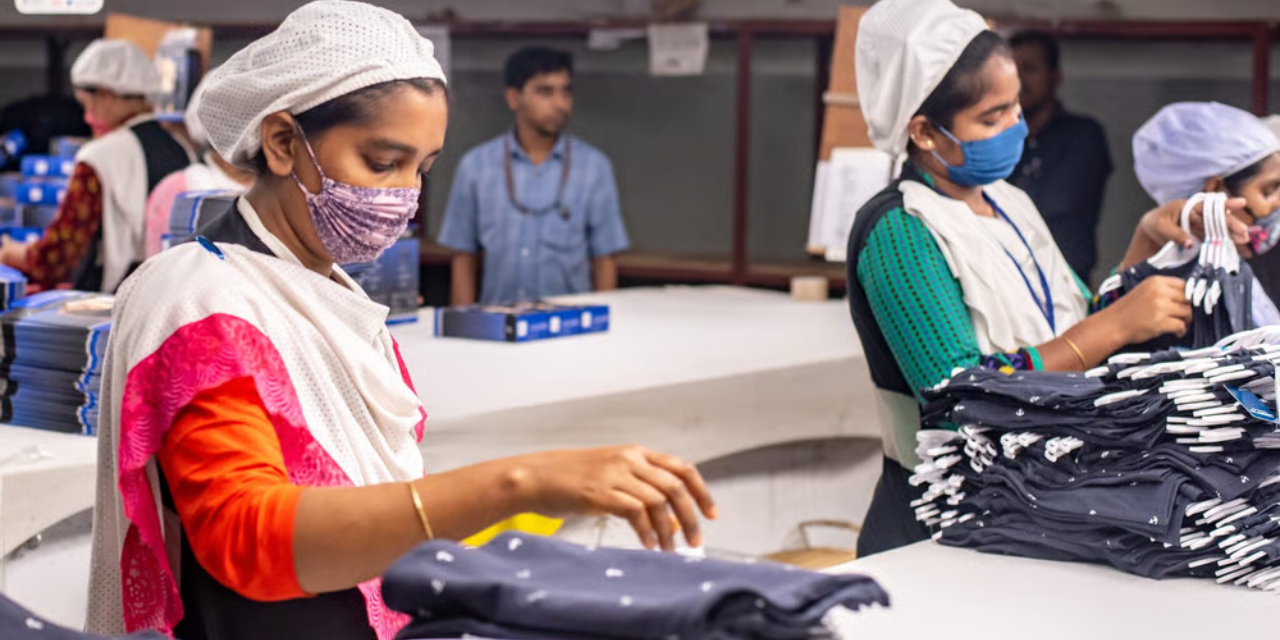
Thousands of textile factory workers in Bangladesh have staged protests demanding higher minimum wages amid rising living costs. Demonstrations took place in Dhaka and neighbouring industrial districts, disrupting traffic and factory operations in several locations.
Workers and trade unions are demanding an increase in the monthly minimum wage for entry-level factory workers from 12,500 taka to 30,000 taka. The current minimum wage was established in 2023 following widespread protests that led to factory closures.
According to police, security forces used tear gas, batons and water cannons at several locations to disperse protesters. Demonstrations also disrupted traffic in Dhaka's Mirpur district and blocked a major motorway in Gazipur, an important garment manufacturing hub.
Bangladesh's textile and garment industry plays a major role in the country's economy, employing more than four million people, predominantly women, across nearly 4,000 factories. The sector generates approximately $39 billion annually through garment exports, making Bangladesh the world's second-largest textile producer after China.
The latest protests highlight ongoing concerns over workers' wages, living conditions and labour rights in one of the world's leading garment manufacturing and export centres.


No comments yet. Be the first to share your thoughts!