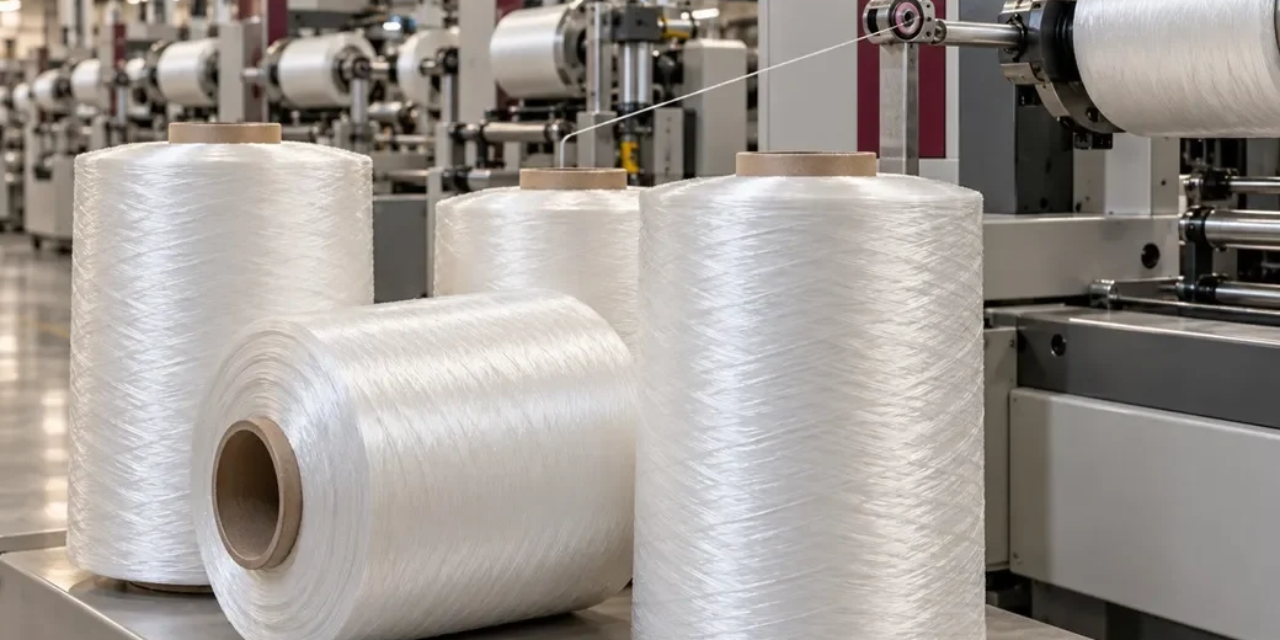
China’s polyester filament yarn (PFY) prices have increased amid rising upstream raw material costs. However, falling monoethylene glycol (MEG) prices and uneven movements across regional markets are raising questions about profit margins for downstream textile manufacturers.
According to Fibre2Fashion, selected Chinese PFY price benchmarks recorded increases during the reported October period. Prices for partially oriented yarn (POY), fully drawn yarn (FDY) and draw textured yarn (DTY) moved higher, supported by gains in crude oil, naphtha, paraxylene (PX) and purified terephthalic acid (PTA) references.
In contrast, MEG prices declined by around 6%. This divergence highlights changing cost dynamics across the polyester value chain.
DTY prices recorded smaller increases than selected POY and FDY grades. Since POY is a key raw material for DTY production, faster POY price growth can narrow the price difference between the two products. This may put pressure on texturisers if they cannot pass higher input costs on to buyers.
However, the POY-DTY price spread alone does not determine actual profit margins. Energy expenses, processing costs, production yields, financing, inventory levels and customer contracts also affect profitability.
Regional markets showed mixed movements. Indian DTY prices remained broadly stable, while Pakistani DTY prices declined during the reported period. These differences suggest that price increases in China have not translated into uniform gains across the South Asian markets covered.
For textile manufacturers and yarn buyers, monitoring raw material prices and regional benchmarks will remain important. The direction of future PFY prices and the ability to pass on costs will influence margins across the polyester textile supply chain.


No comments yet. Be the first to share your thoughts!