Indian micro, small and medium enterprises (MSMEs) will need to prepare for European Union (EU) environmental, certification and other non-tariff requirements to fully benefit from the proposed India-EU Free Trade Agreement (FTA).
The agreement is expected to become operational in the January-March quarter of 2027, subject to the completion of required approval processes.
EU Compliance Key for MSME Export Growth
Government officials said lower tariffs alone may not lead to higher exports unless Indian businesses can meet EU requirements. These include environmental, social and governance (ESG) standards, the Carbon Border Adjustment Mechanism (CBAM), product certification, child labour rules and deforestation regulations.
Sanjeev Chawla, additional development commissioner at the MSME Development and Facilitation Office, Karnal, said Indian exporters need to understand these rules before the FTA becomes operational.
Industry associations and export promotion councils are expected to play an important role in helping smaller businesses understand and meet complex EU regulations.
India Sees Opportunities in European Markets
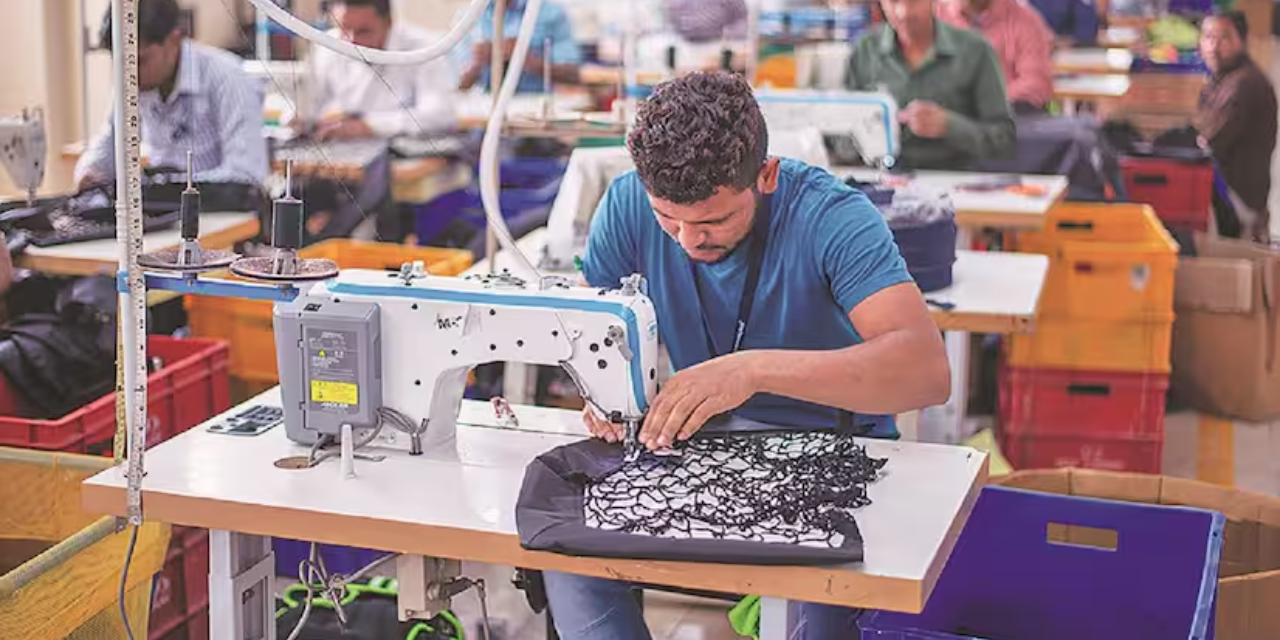
Experts said the India-EU FTA could create new opportunities for Indian exporters, particularly in apparel and leather. The EU imports around €80 billion of garments and apparel annually, while India currently accounts for about 6 per cent of those imports.
The agreement could also support India’s leather exports and help address some of the competitive challenges faced by Indian exporters after the phase-out of the EU’s Generalised System of Preferences for India.
The agreement covers around 144 services sectors and sub-sectors, creating additional opportunities for Indian service providers.
Export Promotion Mission to Support MSMEs
The government is also preparing MSMEs through the Export Promotion Mission, which includes 11 schemes covering MSMEs, first-time exporters and labour-intensive sectors.
Support is available in areas such as export credit, overseas warehousing, logistics, branding and capacity building.
Industry experts stressed that effective implementation will be important for MSMEs to convert FTA tariff benefits into actual export orders. Businesses will also need to keep adapting as EU sustainability, supply-chain transparency and due-diligence rules continue to evolve.


No comments yet. Be the first to share your thoughts!