
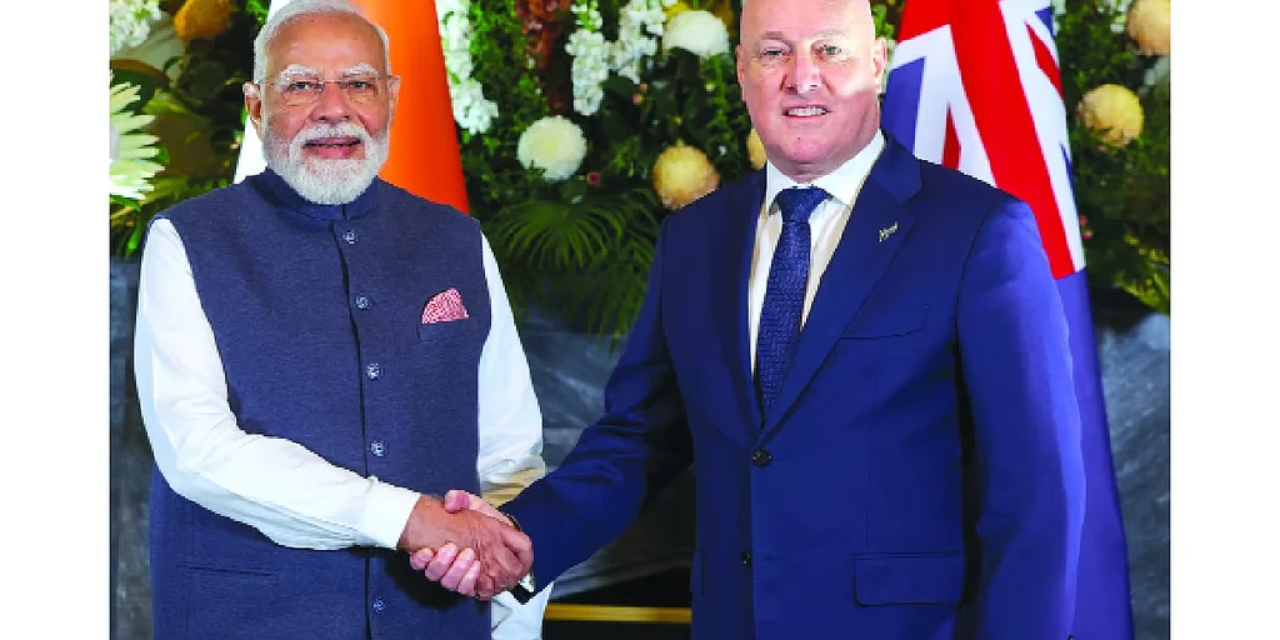
The India-New Zealand Free Trade Agreement (FTA) came into effect on October 20, 2026, opening new export opportunities for Indian businesses. The agreement provides duty-free access to New Zealand for all Indian export tariff lines, strengthening India's position in the Asia-Pacific market.
The agreement is expected to benefit labour-intensive industries, including textiles, apparel, leather, footwear, engineering goods, gems and jewellery. Small and medium-sized enterprises (MSMEs) in these sectors could gain a competitive advantage through improved market access and lower trade barriers.
Signed on April 27, 2026, the agreement is India's 17th operational free trade pact. It also covers services, investment, skills and professional mobility, creating opportunities beyond merchandise trade.
New Zealand has committed to investing $20 billion in India over 15 years. However, actual investment growth will depend on private-sector decisions and the implementation of investment measures.
The two countries aim to double bilateral trade by 2030. Although bilateral trade declined by around 11% to $1.15 billion in 2025–26, the new agreement could help strengthen commercial ties and encourage greater cooperation in textiles, footwear, education, technology and professional services.
For Indian textile and apparel exporters, the FTA offers an opportunity to expand into the New Zealand market, improve competitiveness and build long-term international business relationships.


No comments yet. Be the first to share your thoughts!