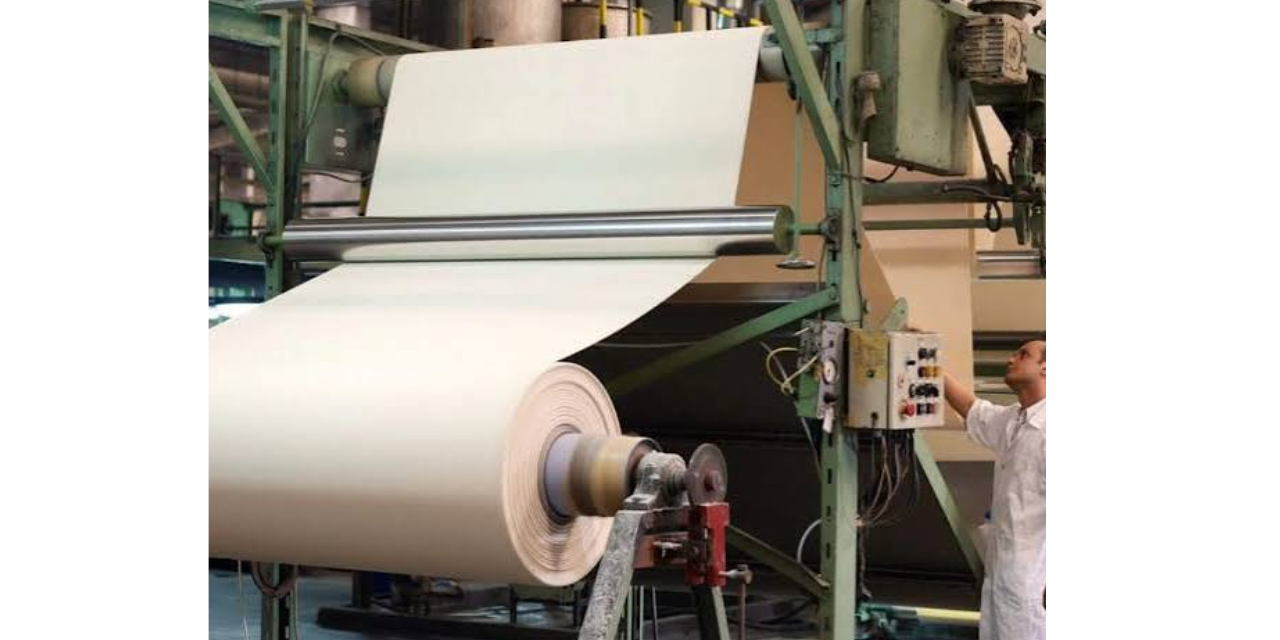
The Indian government is working on an integrated tax framework for the textile sector to reduce duty-related costs, improve tax certainty and strengthen the competitiveness of domestic manufacturers in global markets.
The proposed framework could cover Goods and Services Tax (GST) on textile products and inputs, basic customs duties on raw materials and imported textile machinery, and anti-dumping duties on selected man-made fibres and yarns. The initiative aims to address cost pressures across the entire textile value chain, from fibre and yarn production to fabric manufacturing and finished garments.
The move comes as the government focuses on expanding textile manufacturing, promoting technical textiles, modernising traditional textile clusters and increasing India’s share in international markets. The proposed ₹40,000-crore Textile Expansion and Employment Scheme for 2026–27 is also expected to support machinery upgrades, technology adoption and common testing facilities.
The Department of Revenue is working with the Ministry of Textiles to examine industry demands for duty relief on key raw materials, including caprolactam, nylon chips, rayon-grade wood pulp and cotton. The textiles ministry has also recommended removing or deferring anti-dumping duties on elastomeric filament yarn and viscose rayon filament yarn, citing their impact on downstream manufacturers, micro, small and medium enterprises (MSMEs), and employment.
Additionally, industry representatives have sought a six-month basic customs duty waiver on five polyester-chain products: monoethylene glycol (MEG), purified terephthalic acid (PTA), partially oriented yarn (POY), fully drawn yarn (FDY) and drawn textured yarn (DTY).
The requests follow the withdrawal of temporary duty exemptions on MEG and PTA in July, which prompted renewed concerns about raw material costs and the viability of domestic manufacturing.
India’s textile sector contributes around 9% of the country’s merchandise exports and supports more than 45 million jobs. With competition from China, Bangladesh and Vietnam intensifying, the proposed tax framework could help address structural cost challenges and support investment across the industry.


No comments yet. Be the first to share your thoughts!