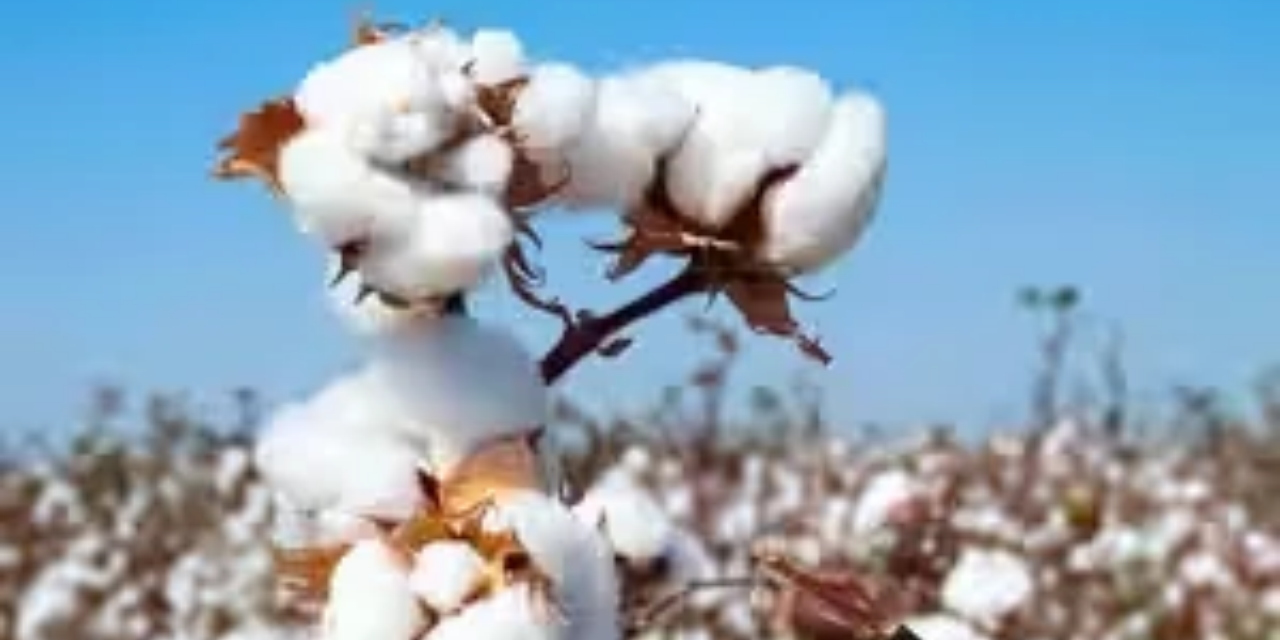
India’s cotton shortage is expected to worsen in the 2026–27 season as rising export demand, lower domestic production and weather-related risks put pressure on raw material supplies. New free trade agreements (FTAs) are creating opportunities for textile and garment exporters, but the resulting increase in cotton consumption could widen the gap between demand and availability.
Domestic cotton production is projected to decline by 3.4% in the current crop year, with adverse El Niño conditions and drought affecting yields in several cotton-growing regions. Industry representatives have warned that production could fall below 28 million bales, increasing the risk of shortages, particularly for quality cotton.
India’s cotton imports reached an estimated record 7.1 million bales of 170 kg each in 2025–26, compared with 5.74 million bales in the previous year. Domestic consumption stood at approximately 34 million bales, according to the Southern India Mills Association (SIMA).
Cotton prices have risen sharply amid concerns over supply and uncertainty surrounding the 11% import duty exemption, which was scheduled to end on October 31, 2026. Benchmark Gujarat 29-mm cotton prices increased by ₹4,500 per candy to ₹68,500 per candy as the new cotton season began.
Export opportunities under trade agreements with the United Kingdom and other markets are expected to further increase demand. SIMA estimates that cotton consumption could exceed 36 million bales in the forthcoming season, potentially widening the demand-supply gap to more than 9 million bales.
However, rising cotton prices are creating challenges for ginners and textile mills. Industry representatives report that yarn prices have not increased proportionately with raw cotton costs, squeezing processing margins. Meanwhile, some farmers are holding their produce in anticipation of higher prices, while inadequate soil moisture has affected picking and yields in several regions.
The possible implementation of the India-European Union trade agreement in 2027 could further strengthen textile export demand. Industry stakeholders are therefore calling for measures to improve cotton availability and reduce raw material price volatility to support the competitiveness of India’s textile manufacturing sector.


No comments yet. Be the first to share your thoughts!