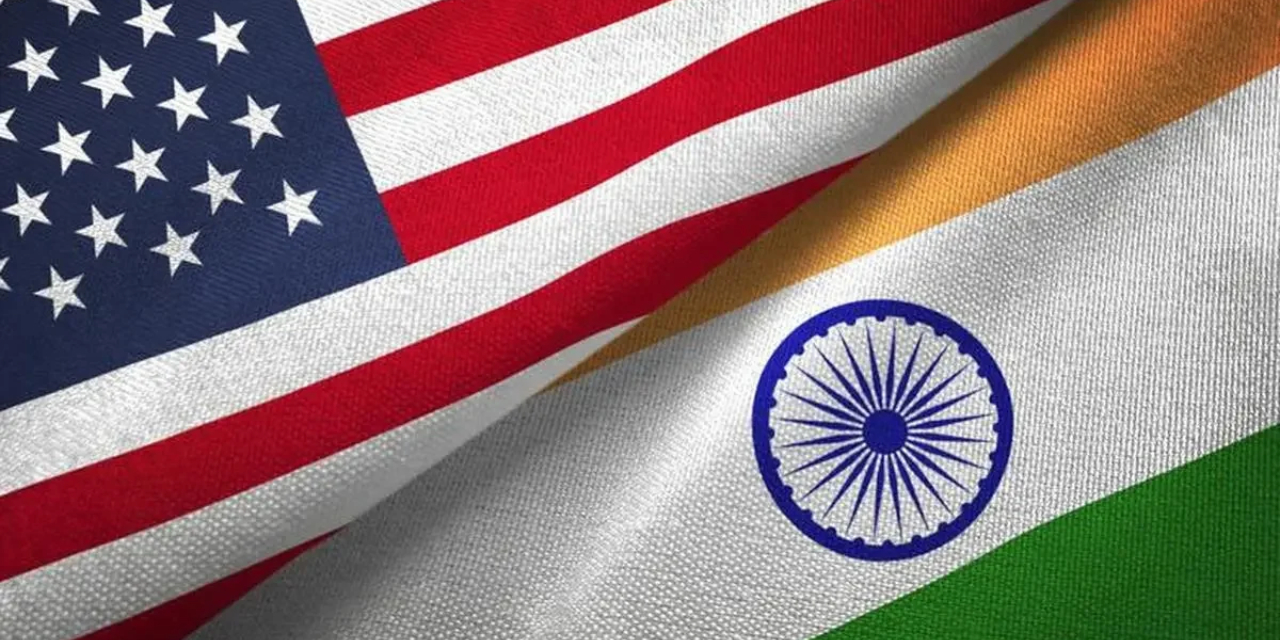
India’s proposed trade agreement with the United States remains uncertain as both countries continue to navigate unresolved tariff issues, political developments and legal challenges. Trade negotiations have reportedly reached a plateau, with officials indicating that further concessions may be difficult to secure.
Finance Minister Nirmala Sitharaman has acknowledged the challenges in the negotiations, while US Trade Representative Jamieson Greer has indicated that an agreement is not imminent. Commerce Minister Piyush Goyal has reiterated that India will finalise a deal only if it secures a competitive advantage over other exporting countries.
Several factors could influence the negotiations, including the US midterm elections, ongoing investigations into international trade practices and legal disputes over the American administration’s authority to impose tariffs.
One major concern is the US investigation under Section 301 into alleged structural excess manufacturing capacity and overproduction in foreign economies. India’s investigation reportedly covers sectors such as steel, petrochemicals, solar modules, textiles and leather. Any additional tariffs resulting from the investigation could complicate bilateral trade discussions and affect Indian exporters.
Legal challenges to US tariff measures have added another layer of uncertainty. Court proceedings concerning the administration’s authority to impose import duties could reshape its trade policy and influence the terms of future agreements. The outcomes and timelines of these cases remain uncertain.
Despite these challenges, India has some room to negotiate, particularly following the easing of certain trade-related pressures. The additional tariff burden on many Indian goods has also become less severe than previously, although applicable duties and exemptions vary.
According to former ambassador and Delhi Policy Group Senior Fellow V. S. Seshadri, India should adopt a cautious, wait-and-watch approach rather than accept unfavourable terms under pressure. He also emphasises the importance of strengthening trade relationships with other partners.
Advancing free trade agreements with the European Union and Canada could help India diversify export markets and reduce dependence on any single trading partner. Such diversification may also strengthen India’s negotiating position with the US.
Ultimately, the timing and terms of an India–US trade agreement will depend on evolving political, legal and economic conditions. India’s priority remains securing a balanced agreement that protects domestic interests while improving market access for its exporters.


No comments yet. Be the first to share your thoughts!