
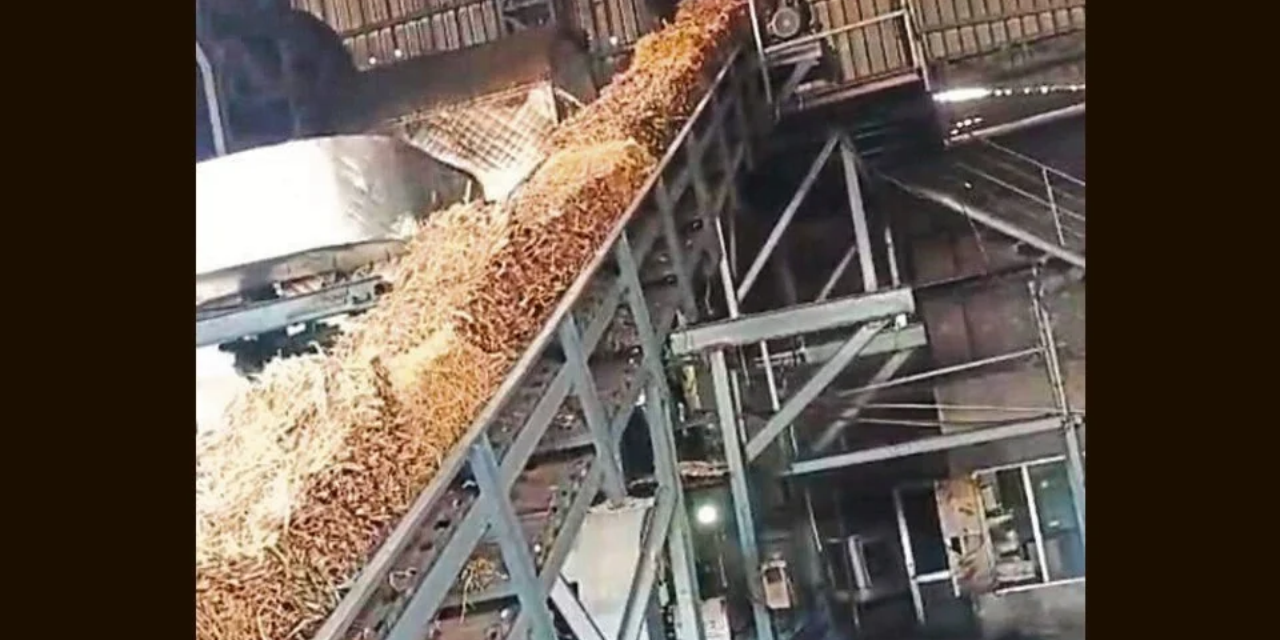
Ludhiana's dyeing and garment industry is increasingly adopting agro-waste-based energy systems to maintain uninterrupted production amid global fuel supply uncertainties and rising energy costs.
Textile processing units are using rice husk, crop stubble, pulse residue and other biomass materials to operate boilers and generate steam and electricity. This shift has reduced dependence on conventional fuels and helped local manufacturers maintain operational stability, while textile hubs such as Surat and Bangladesh face challenges due to gas shortages.
According to industry representatives, alternative fuels have also improved cost stability and energy security. The initiative is providing environmental benefits by promoting the utilisation of agricultural waste and helping reduce stubble burning.
The successful adoption of this model has encouraged discussions around developing dedicated dyeing clusters with shared infrastructure. Proposed common boiler systems using municipal waste and agro-residue could further strengthen sustainable energy solutions for textile processing industries.


No comments yet. Be the first to share your thoughts!