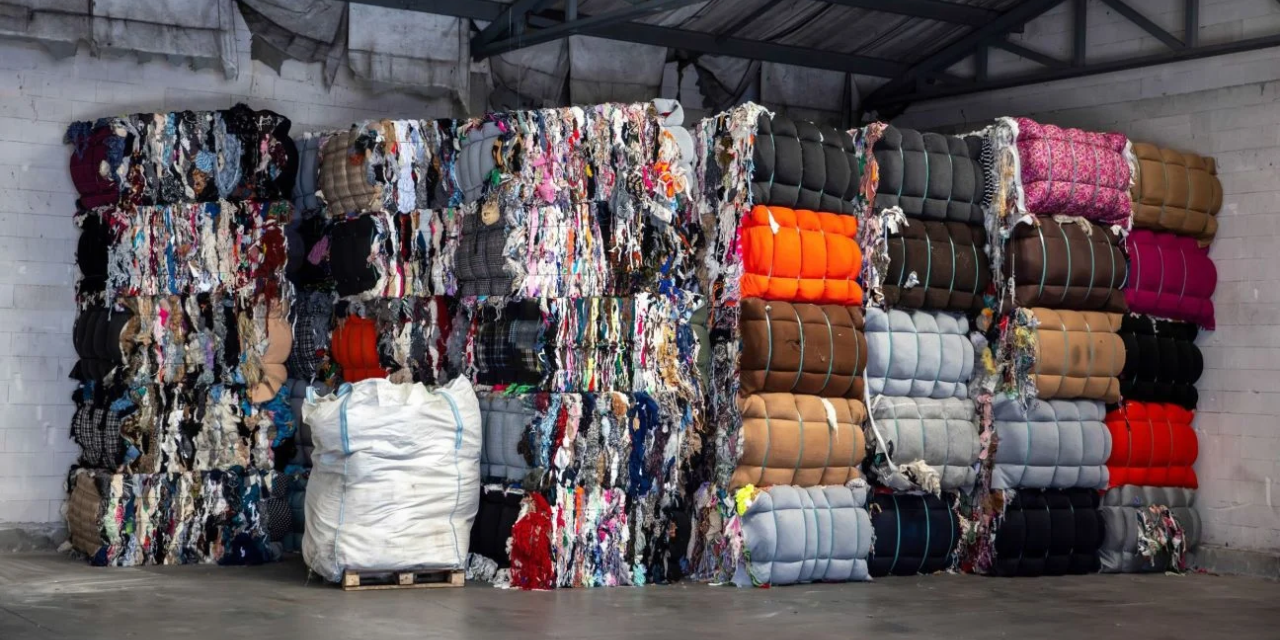
Australia is stepping up efforts to reduce textile waste through recycling, reuse and new recovery technologies. Queensland has identified textile waste as a priority under its waste strategy, aiming to reduce landfill disposal and support a more circular economy.
Around 200,000 tonnes of clothing end up in Australian landfills each year, highlighting the need for better textile collection and recycling systems. Queensland’s waste strategy targets an overall recycling rate of 65% and aims to reduce waste sent to landfill by 2.6 million tonnes by 2035.
Textile recycling involves collecting, sorting and processing unwanted clothing and fabrics. Items in good condition can be donated or resold, while damaged textiles may be converted into fibres for insulation, industrial materials and other products.
A major development is the Salvos Stores Textile Recovery Facility in Queensland. The facility uses automated sorting technology powered by artificial intelligence and robotics to identify textiles by material type, colour and condition. It also removes components such as buttons, zips and labels to prepare materials for further processing.
Consumers can also help reduce textile waste through simple everyday actions. Donating wearable clothes, repairing damaged garments, organising clothing swaps and reusing old fabrics can extend product life and reduce landfill waste.
Retail take-back programmes offer another option, allowing customers to return unwanted clothing for reuse or recycling. However, consumers should check each programme’s requirements before dropping off items.
Recycling textiles can save resources, reduce waste and support community initiatives. However, mixed-fibre fabrics and contaminated garments remain challenging to process. Better collection systems and improved recycling technologies will be important to address these barriers.
Australia’s efforts highlight the growing role of textile recovery in sustainable fashion. By combining consumer participation, industry innovation and investment in recycling infrastructure, the country aims to keep more textiles in use and reduce the environmental impact of clothing waste


No comments yet. Be the first to share your thoughts!