
Garment exporters in Tirupur are exploring opportunities to secure a share of Bangladesh's ready-made garment (RMG) orders as labour unrest and production disruptions in the neighbouring country prompt international brands to consider diversifying their sourcing destinations.
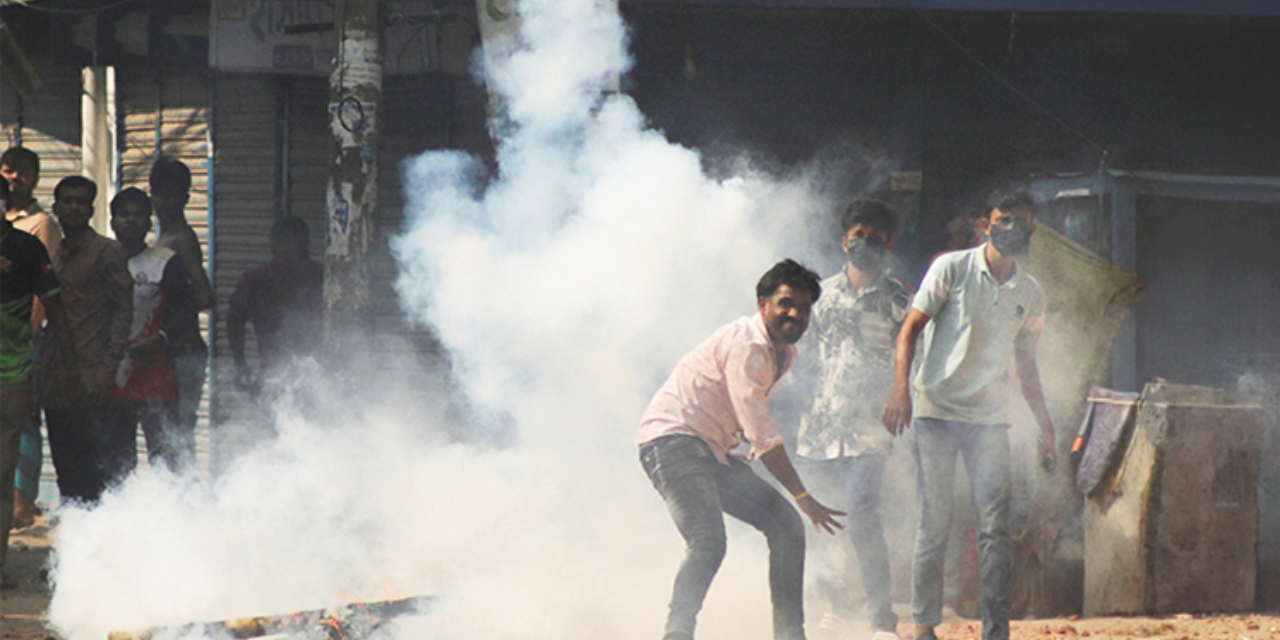
Following weeks of protests, Bangladesh's government-appointed wage board approved a 36 per cent increase in the minimum monthly wage for entry-level garment workers on November 25, raising it to 17,000 taka (US$136). However, fresh demonstrations have emerged in the Gazipur area, with workers blocking roads over concerns that the revised wage falls short of their demands. Workers had initially sought 32,000 taka (US$257), later reducing their demand to 18,000 taka (US$144) during negotiations.
According to the Bangladesh Garment Manufacturers and Exporters Association (BGMEA), the unrest has caused industry losses of nearly US$428 million, while orders worth approximately US$254 million have shifted to other countries.
KM Subramanian, President of the Tirupur Exporters' Association (TEA), expressed optimism about the potential opportunities, stating, “Yes, we are expecting good orders for Tirupur.”
He said major brands from the UK and Europe were exploring sourcing options in Tirupur and identifying exporters capable of handling large-volume orders. He added, “If Tirupur secures even 1% of Bangladesh’s orders next year, it will become totally self-sufficient.”
A Sakthivel, Chairman of the Apparel Export Promotion Council (AEPC), also said that disruptions in Bangladesh could create opportunities for Tirupur exporters, although India's current textile industry capacity to capture such orders at scale remains limited.
Kumar Duraiswamy of the Tirupur Exporters' Association similarly highlighted the opportunity while pointing to limitations in the industry's ability to take on large volumes of additional business.
Bangladesh exports more than US$45 billion worth of ready-made garments annually, compared with India's exports of approximately US$16 billion. Despite the potential sourcing shift, Bangladesh retains a significant competitive advantage over India, particularly in cotton-based products, in major markets such as the US and the UK.


No comments yet. Be the first to share your thoughts!