
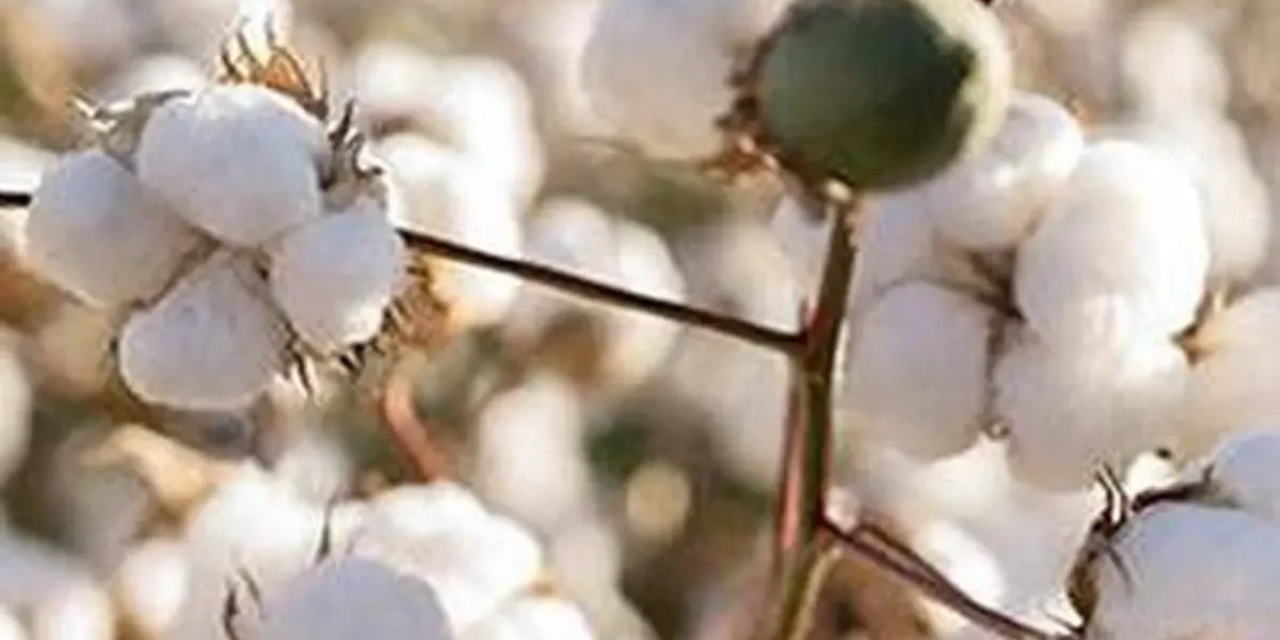
Unauthorised herbicide-tolerant Bt (HTBt) cotton cultivation accounts for an estimated 24–30% of India’s cotton-growing area, covering approximately 65–72 lakh acres during the 2025 kharif season, according to a study by the South Asia Biotechnology Centre (SABC).
Supported by the Federation of Seed Industry of India and the National Seed Association of India, the study estimates the informal HTBt cotton seed market at ₹820–880 crore. Labour shortages, rising cultivation costs and the need for more efficient weed management are driving farmers towards these unauthorised seeds.
The study, based on field surveys across 16 cotton-growing districts in Maharashtra, Telangana, Andhra Pradesh and Rajasthan, highlights the growing use of glyphosate-based weed control. The cost of chemical weed management is estimated at ₹750–850 per acre, compared with ₹12,000–15,000 for manual labour. Glyphosate consumption increased by 26% between 2024–25 and 2025–26, reaching 35,642 kilolitres.
Maharashtra has emerged as the leading region for HTBt cotton adoption, with an estimated adoption rate of 58%, rising to 76% in Yavatmal district. Adoption was also significant in Telangana and Andhra Pradesh, at 66% and 49%, respectively.
Genetic testing of 227 cotton samples found that 98.2% contained at least one genetically modified trait. The unapproved herbicide-tolerance gene CP4EPSPS was detected in 72.7% of samples, while the insect-resistance gene Vip3A appeared in 53.7%. The findings indicate increasing use of cotton hybrids carrying multiple genetic traits.
The expansion of unauthorised seeds has also affected the approved seed market. Sales of Bollgard-II cotton seeds declined by 22.3% nationally between 2022 and 2026, according to the study.
The report raises concerns about seed quality, biosafety and the potential development of resistance to herbicides and insect-control technologies. Farmers purchasing seeds through unregulated channels may also have limited protection if the products fail to perform as expected.
To address these challenges, the study calls for a transparent, time-bound regulatory framework and faster evaluation of next-generation cotton technologies. It recommends aligning scientific research, regulatory approvals and farmer welfare to ensure access to quality-assured seeds while supporting sustainable cotton production in India.


No comments yet. Be the first to share your thoughts!