
A fresh US tariff threat is pushing Indian companies to explore new markets and reduce costs. The US has threatened tariffs of up to 100% on India over its purchases of Russian oil.
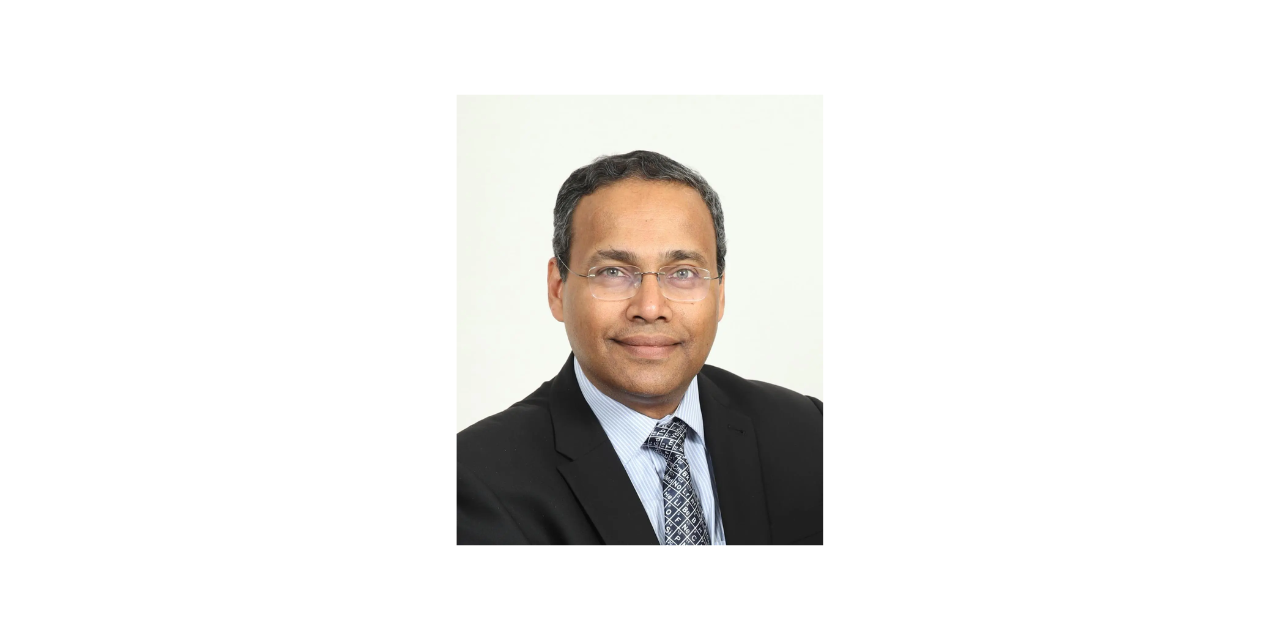
R Mukundan, CII President and MD & CEO of Tata Chemicals, said companies are focusing on market and product diversification. He also said India’s cost gap with other markets has narrowed.
India Expands Market Focus
Mukundan said Indian companies can make better use of existing free-trade agreements (FTAs). Many companies use only 30–40% of available tariff lines under these agreements.
India is also pursuing trade talks with the Gulf Cooperation Council (GCC), Israel and Peru. It is deepening trade engagement with Mexico and Chile.
Mukundan said signing trade agreements is only the first step. Industry must turn these agreements into new business opportunities.
Battery Supply Chain Needs Partnerships
Mukundan also highlighted the need for global partnerships in battery manufacturing. Tata Group companies are working together on the Agratas battery project.
He said battery solutions must remain competitive in both cost and technology. India will also need partnerships with countries such as Australia, Chile and Argentina for upstream resources.
Mukundan said global technology partnerships will also support the growth of India’s battery manufacturing sector.
BRICS Needs More Business Outcomes
Mukundan said BRICS+ needs to move from intent to business outcomes. This includes higher trade, cross-border investment, technology access and people-to-people links.
He also pointed to non-tariff barriers. These include differences in quality standards, testing and documentation.
India Focuses on Cost and Speed
India’s cost disadvantage has narrowed from about 12% to around 8%, according to Mukundan. Improvements in infrastructure, power and logistics have helped reduce the gap.
He said India now needs to focus on the “speed of doing business”. Faster project execution can help companies manage higher costs in global markets.
Mukundan also highlighted rail freight and multimodal transport as ways to reduce logistics costs and emissions.
He said reducing project execution time could also lower interest and other business costs. Industry is seeking process-level benchmarks to reduce delays and improve execution speed.


No comments yet. Be the first to share your thoughts!