
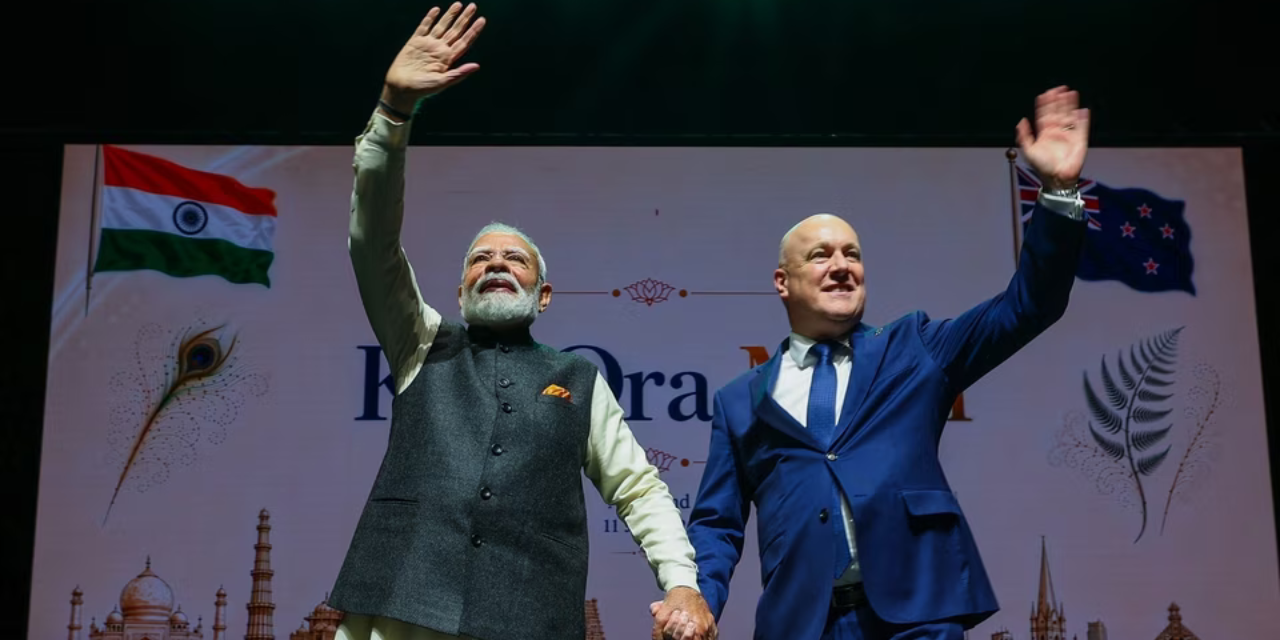
New Zealand’s Parliament has passed legislation to implement its Free Trade Agreement (FTA) with India. The bill passed by 93 votes to 29 on September 16, 2026.
The move brings the India-New Zealand FTA closer to implementation. Indian officials have indicated that the agreement could come into force in the second half of October.
Tariff cuts under the FTA
The agreement will reduce or remove tariffs on a large share of New Zealand exports to India.
From the first day of implementation, 57% of New Zealand exports to India will become duty-free. Once fully implemented, tariffs will be eliminated or reduced on about 95% of New Zealand exports.
New Zealand’s kiwifruit industry is expected to save around NZ$125 million in tariffs over five years, according to the New Zealand government.
Market access for Indian exports
The FTA also provides major tariff benefits for Indian exporters. New Zealand will provide 100% duty-free access across its tariff lines for Indian exports once the agreement enters into force.
Indian sectors expected to gain include textiles, leather, engineering goods, pharmaceuticals, processed foods and other labour-intensive industries.
India has offered tariff liberalisation on around 70% of its tariff lines. These concessions cover about 95% of bilateral trade value. Sensitive sectors, including dairy and some agricultural products, remain protected.
The two countries signed the FTA in New Delhi on April 27, 2026. The agreement is aimed at expanding trade in goods and services and strengthening investment ties.


No comments yet. Be the first to share your thoughts!